FRP (fiber-reinforced plastic) is a type of plastic-based composite material. FRP is widely used in applications requiring stringent strength and durability, and is particularly popular in areas requiring lightweight, corrosion resistance, and heat resistance. The following details the characteristics and applications of FRP.
FRP Definition
FRP (Fiber Reinforced Plastics) is an advanced engineering material composed of high-performance fibers (such as glass fiber, carbon fiber, and aramid fiber) and a polymer resin matrix (such as unsaturated polyester, epoxy resin, and vinyl ester resin). It combines the high strength of fiber with the moldability of resin to create a composite material that combines lightweight, corrosion resistance, high specific strength, and design flexibility.
FRP Composition and Characteristics
FRP is basically composed of resin (plastic) and fibers (reinforcement material), which serve to strengthen the resin. Specifically, glass fiber, carbon fiber, and Kevlar fiber are often used.
Thermosetting resins and thermoplastic resins are used as the base resin for FRP. Epoxy or polyester resins are generally used when combined with glass fibers. This resin part plays an important role in shape retention and molding.
Fiber-reinforced materials used in FRP include glass fiber, carbon fiber, and aramid fiber (Kevlar) to increase strength. Glass fiber is the most common, but carbon fiber can be used to achieve even higher strength and lighter weight. The characteristics of FRP vary greatly depending on the type of fiber used.
FRP Panel
Thermosetting FRP sheets are composite materials made from fiber-reinforced thermosetting resins. Thermosetting resins undergo a chemical reaction upon heating, permanently curing. Common thermosetting resins include epoxy, phenolic, and polyester resins. These resins offer excellent chemical resistance, insulation, and high-temperature resistance. FRP sheets have replaced traditional metal materials in many applications, offering superior strength, rigidity, and corrosion resistance. They are widely used in construction, automotive, shipbuilding, and chemical industries.

FRP panels are manufactured using an advanced continuous single-panel production line, utilizing high-strength fiberglass chopped strand mat, high-strength fiberglass woven fabric, and premium unsaturated polyester resin. The FRP panels are finished with an internationally certified food-grade color gel coat. They offer a smooth surface, excellent gloss retention, no discoloration, corrosion resistance, aging resistance, easy repairability, and a long service life.
The glass fibers are randomly arranged, offering excellent cost-effectiveness. A layer of non-woven fabric is usually bonded to the bottom to facilitate compounding with various core materials.
| Panel Thickness (mm) | Weight (kg/m²) |
|---|---|
| 1.5 | 2.5 |
| 2.5 | 4.5 |
| 3 | 5 |

FRP Panel Feature
● High Strength and Rigidity: Thermoset FRP panels are composed of fiber-reinforced materials and thermosetting resins, offering high strength and rigidity, capable of withstanding heavy loads.
● Corrosion Resistance: Thermoset FRP panels offer excellent corrosion resistance, resisting attack by acids, alkalis, salts, and other chemicals, making them suitable for harsh working environments.
● Lightweight: Compared to traditional metal materials, thermoset FRP panels have a lower density, resulting in a lighter weight and easier handling and installation.
● High-Temperature Resistance: Thermoset FRP panels offer high heat resistance, maintaining stable performance in high-temperature environments and resisting deformation or melting.
● Insulation: Thermoset FRP panels offer excellent insulation properties, effectively preventing the conduction of electric current and preventing safety issues such as electric shock.
● Excellent Design Flexibility: Thermoset FRP panels can be customized to meet specific needs and can be manufactured in various shapes and sizes.
● Long Life: Thermoset FRP panels offer a long service life, are less susceptible to corrosion, oxidation, and aging, and maintain stable performance over time.
The Difference Between FRP Panels And CFRT Panels
| Category | FRP (Fiber Reinforced Plastic) | CFRT (Continuous Fiber Reinforced Thermoplastic) |
|---|---|---|
| Material Properties | Excellent strength, corrosion resistance, and weather durability | High strength, but weaker in corrosion and weather resistance |
| Design Flexibility | Multiple molding methods , easy to form complex shapes | Limited to sheet or simple structures due to processing restrictions |
| Production Cost | Lower raw material cost, mature processes, overall more cost-effective | Higher material and equipment cost, relatively expensive |
| Application Range | Widely used in construction, transportation, energy, chemical industry, and firefighting equipment | Mainly applied in aerospace and automotive lightweight solutions |
| Maintenance & Service Life | Strong resistance to corrosion, low maintenance cost, and long service life | Moderate aging and chemical resistance, shorter service life |
| Customization | Highly customizable in size, shape, and performance to meet diverse needs | Limited customization due to manufacturing constraints |
FRP Product

FRP PET Panel
FRP is a composite material made by combining fiberglass-reinforced plastic (FRP) with polyethylene terephthalate (PET) foam or solid PET sheet.
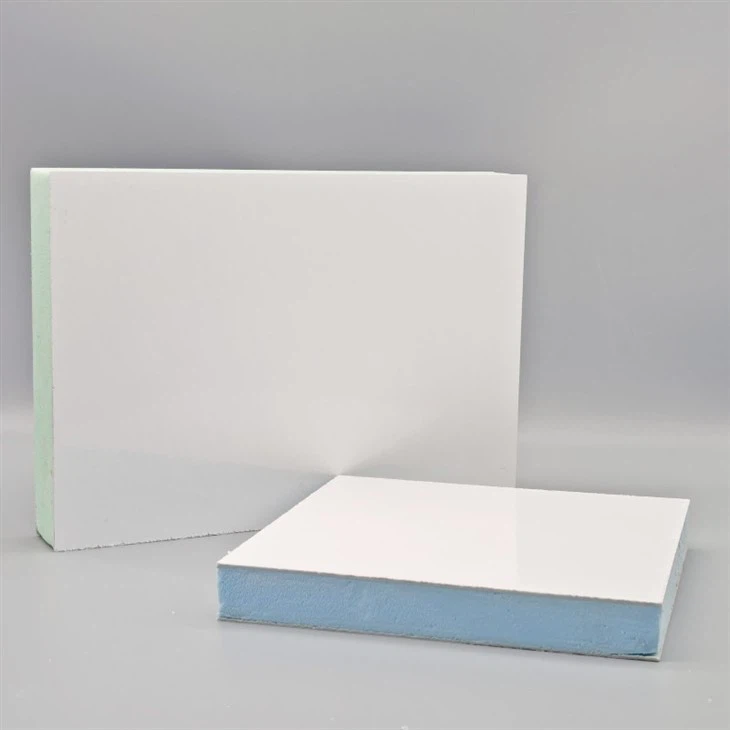
FRP XPS Panel
Fiberglass XPS insulation board is a composite material made from high-strength glass fiber and extruded polystyrene (XPS) foam board.
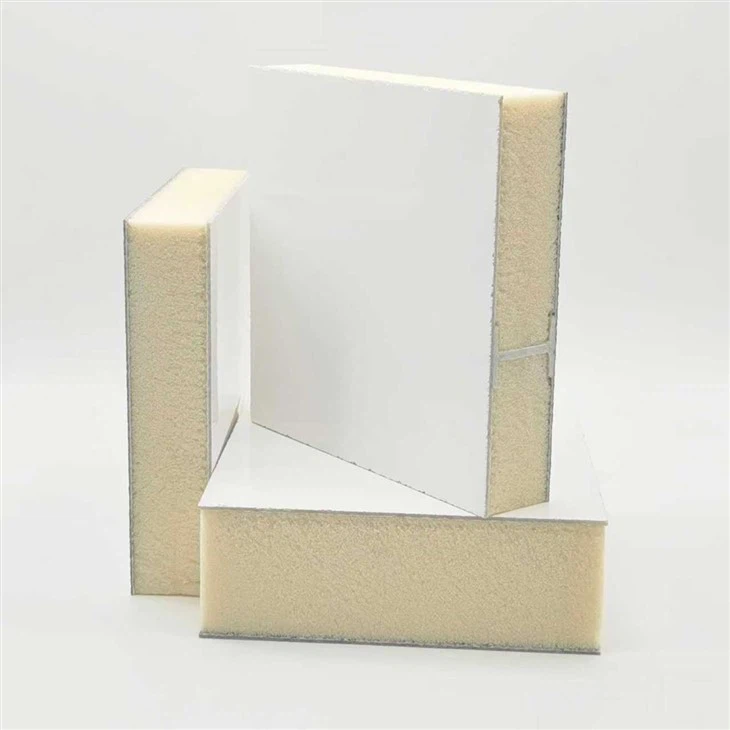
FRP PU Panel
FRP PU Panel is a composite material made from high-strength glass fiber and polyurethane (PU) foam.

FRP Plywood Panel
FRP plywood Panels utilize prefabricated fiberglass panels, strong fiberglass woven fabric, and strong, water-resistant plywood.
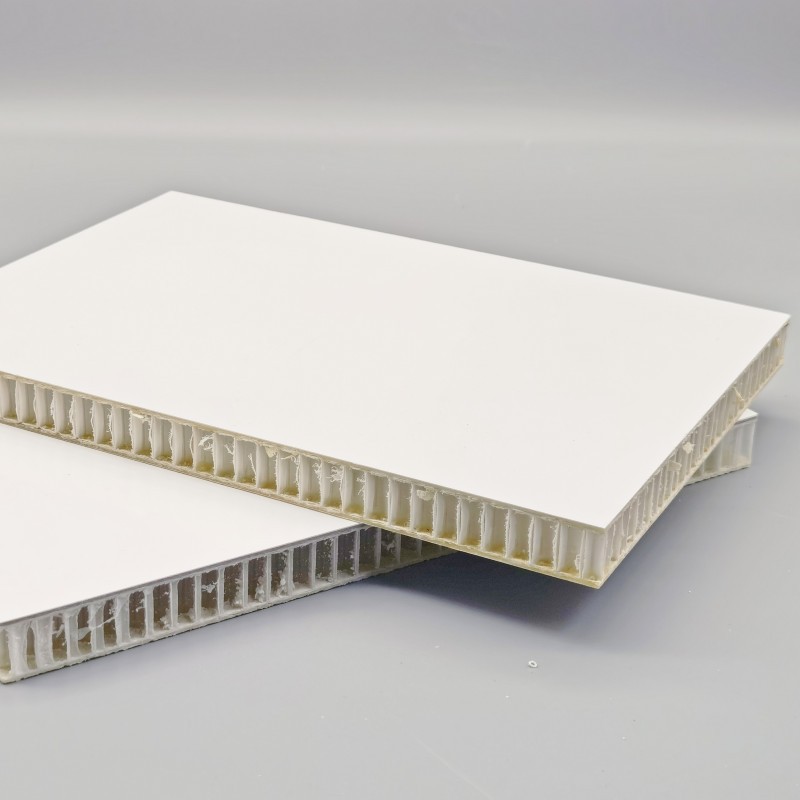
FRP Honeycomb Panel
FRP honeycomb panel is a composite material made by bonding fiberglass reinforced plastic (FRP) skins to a lightweight honeycomb core.
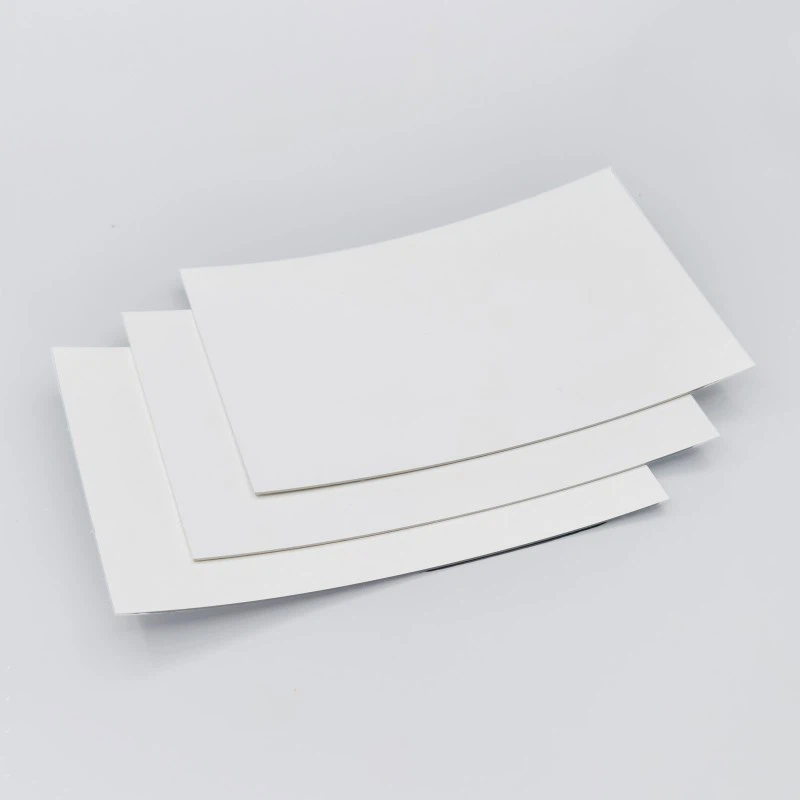
Fiberglass Flat Sheet
It has excellent toughness, high strength and high impact damage tolerance and can be stored for long periods of time at room temperature.
FRP Production Line
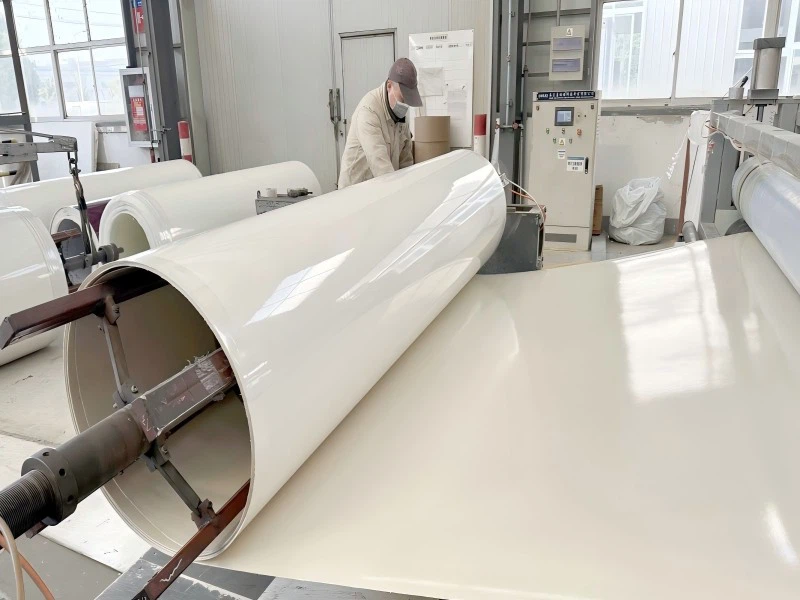
FRP sheets are manufactured using an advanced continuous FRP skinning line, which is made from high-strength chopped mattress, roving, and high-quality unsaturated resin. The gel coat surface is FDA-approved and food-safe.
Advantages: Smooth and glossy surface that maintains its whiteness even after prolonged use; UV and weather resistance; easy maintenance; and long-lasting use. Suitable for use on the interior and exterior surfaces of FRP composite panels and the roofs of dry truck bodies.


FRP Parameter Table
| Mechanical Properties | Thickness and Weight | |||||
| Serial Number | Item | Data | Serial Number | Thickness (mm) | Weight (kg/m²) | |
| 1 | Tensile Strength | ≥ 85 MPa | 1 | 1.5 | 2.5 | |
| 2 | Elongation at Break | ≥ 500 % | 2 | 2.5 | 4.5 | |
| 3 | Flexural Strength | ≥ 150 MPa | 3 | 3 | 5 | |
| 5 | Barcol Hardness | ≥ 40 MPa | Thickness Range: 1.5mm to 3.0mm | |||
Learn more about product parameters and get the latest quotes
FRP Applications
FRP is used in a variety of fields due to its excellent properties. The following is a list of typical applications.
FRP is widely used in aircraft and automotive parts because of its light weight and high strength. For example, automobile body panels and aircraft structural members are made of FRP. FRP is increasingly being used in these fields where fuel efficiency is required to be improved through weight reduction.
FRP is also used in sporting goods such as golf clubs, bicycle frames, and ski boards. These products require high strength while being lightweight, and FRP fits these characteristics perfectly.
FRP is also used in the construction field because of its light weight and corrosion resistance. It is especially used in structures such as bridges, tanks, and piping to provide durability and reduce maintenance costs.
FRP is also very effective in marine environments. Often used for hulls of ships and boats, it offers significant advantages in marine applications where corrosion resistance to salt water is required.
FRP is also used in wind power generation blades. Lightweight and high-strength FRP is an important material for improving the efficiency of wind power generation.


FRP Panel Mnufacturer:Holycore
Company Profile
Founded in 2012, Hangzhou Huali Composite Materials Co., Ltd., a subsidiary of Huazheng New Materials under the Huali Group, is a leading manufacturer of thermoplastic honeycomb core materials and composite panels. The company operates a modern 20,000-square-meter production facility in Hangzhou, utilizing advanced German production technology and integrating R&D, production, and quality control. Over the years, Huali Composite Materials has received numerous provincial and national certifications, including designation as a National Enterprise Technology Center, demonstrating its strong innovation capabilities and continuous pursuit of excellence.
Technology and Strength
The company's core products include HolyCore® thermoplastic honeycomb core materials and HolyPan® composite panels, which are widely used in commercial vehicles, logistics packaging, construction, and RV manufacturing. With an annual production capacity of 6 million square meters, Holycore not only ensures efficient and large-scale production, but also offers CKD (completely knocked-down) solutions for international customers. Its products are lightweight, high-strength, environmentally friendly, and can be customized to meet the needs of various industries, making them highly competitive in both domestic and international markets.
Why Choose Us
Choosing Holycore means partnering with a supplier with reliable expertise, advanced technology, and international experience. The company stands out for its strong R&D capabilities, intelligent manufacturing, extensive product range, and strong export track record in Europe, North America, and Australia. Offering competitive pricing through economies of scale, consistent quality assurance, and flexible customization options, Holycore is a trusted and forward-thinking supplier of sustainable, high-performance composite solutions.
Conclusion
FRP, a composite material that combines lightweighting with high performance, is playing an increasingly important role in various industries. With technological advancements and the development of new materials, FRP's applications will continue to expand, and its value in future industry and society cannot be ignored.