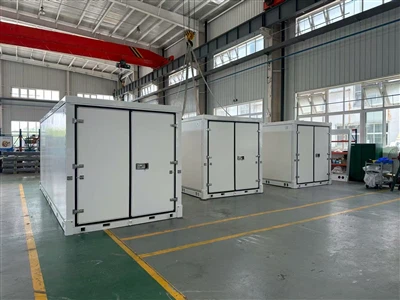
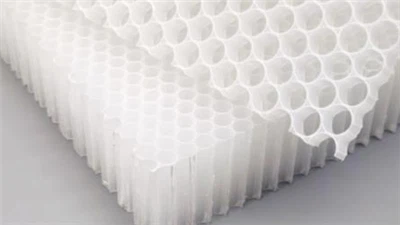
In the world of lightweight composite materials, foam cores and honeycomb cores are two of the most commonly used sandwich structures. Both play critical roles in industries such as aerospace, automotive, marine, and construction. But which one is better? Understanding their differences, performance characteristics, and ideal applications is essential for engineers, designers, and procurement professionals.
Definition of Foam Core and Honeycomb Core

Foam Core Concept
A foam core is a lightweight, cellular material used as the inner layer in sandwich structures, typically between two thin, strong face sheets. It consists of a closed-cell or open-cell polymer matrix such as PET, PP, or XPS Foam cores provide structural support, thermal insulation, and weight reduction while maintaining ease of machining and shaping.
Honeycomb Core Concept
HolyCore thermoplastic honeycomb core material is a novel structural material made from PP/XPS/PET, mimicking the principles of a honeycomb. It is lightweight, high-strength, environmentally friendly, waterproof, moisture-proof, and corrosion-resistant. It can be laminated with various surface materials (such as fiberglass, wood grain board, aluminum, stainless steel, marble, and rubber).

Advantages of Foam Core and Honeycomb Core
Advantages of Foam Core
Lightweight and versatile
Foam cores significantly reduce overall weight while maintaining sufficient structural support.
Cost-effective
Generally less expensive compared to honeycomb cores, making them ideal for large-scale or budget-sensitive projects.
Easy to machine and shape
Foam can be cut, drilled, and bonded without specialized tools.
Customizable density and thickness
Different foam types allow tuning for specific strength, stiffness, or insulation needs.
Lightweight and high strength
Excellent compressive strength;Good tensile strength;Light weight and low density.
Green and environmentally friendly
Energy saving;100% recyclable;No VOC during processing
Products using honeycomb are odorless and formaldehyde - free.
Waterproof and moisture - proof
It has excellent waterproof and moisture - proof performance and can be well applied in the field of water - based construction
Good corrosion resistance
Excellent corrosion resistance, can resist the corrosion of chemicals, seawater, etc.
Sound insulation
Honeycomb panels can effectively reduce damping vibration and absorb noise
Energy absorption
The special honeycomb - like structure has excellent energy absorption characteristics, can effectively absorb energy, resist impact and share the load
Foam Core and Honeycomb Core Parameter Table
| Parameter | Specification / Value | Notes |
|---|---|---|
| Core Density | 35 – 45 kg/m³ | Typical XPS foam density |
| Flexural Strength | ≥ 2.5 MPa | Indicates bending resistance |
| Thermal Conductivity | 0.02 – 0.03 W/m·K | Excellent insulation property |
| FRP Skin Thickness | 1 – 3 mm | For vehicle/structural panels |
| Max Panel Size | ≤ 12 m × ≤ 3.2 m (standard) ≤ 13 m × ≤ 3.2 m (vehicle panels) |
Large-size options available |
| Category | Unit | Test Standard | 6 Holes | 8 Holes | 10 Holes | 12 Holes | |||||||
|---|---|---|---|---|---|---|---|---|---|---|---|---|---|
| Density | kg/m³ | GB1464 | 100 | 120 | 70 | 80 | 100 | 120 | 70 | 80 | 60 | 70 | 80 |
| Average (Avg) | |||||||||||||
| Compressive Strength | MPa | GB1453 | 2.08 | 3.37 | 1.43 | 1.71 | 2 | 2.7 | 1.37 | 1.6 | 0.8 | 1.2 | 1.52 |
| Compressive Modulus | MPa | 23.2 | 33.5 | 28.1 | 33.1 | 46.2 | 56.3 | 20.1 | 25.2 | 13.4 | 17.5 | 20.3 | |
| Standard Size | Length | Width | Thickness |
Test Direction: Determined according to the test standard document Test Size: Tested according to the test document size. Please note if customers have special requirements |
|||||||||
| Size (mm) | 2440 | 1250 | 15 | ||||||||||
| Tolerance | ±20 | ±20 | ±0.5 | ||||||||||
|
Dimension |
Standard |
Maximal |
Tolerance |
|
Length (mm) |
2440 |
2800 |
±10mm |
|
Width (mm) |
1220 |
1400 |
±10mm |
|
Thickness |
5mm-500mm |
||
|
Cell |
6mm-15mm (8mm/10mm/12mm are popular) |
||
|
Core Density |
60-160kg/m³ |
||
Foam Core vs Honeycomb Core Performance Comparison
| Category | Honeycomb Core | XPS Foam Core |
|---|---|---|
| Density | 29 – 80 kg/m³ (depending on type) | 35 – 45 kg/m³ |
| Strength | Very high compressive & shear strength | Good bending strength (≥ 2.5 MPa) |
| Thermal Insulation | Moderate (air gaps in cells) | Excellent (λ = 0.02 – 0.03 W/m·K) |
| Moisture Resistance | Requires surface sealing | Closed-cell → strong water resistance |
| Weight | Extremely lightweight | Lightweight, but heavier than honeycomb |
| Panel Thickness | 5 – 60 mm (typical) | 10 – 120 mm (customizable) |
| Max Panel Size | Usually ≤ 6 m × 2.5 m | ≤ 12–13 m × 3.2 m |
| Cost | Higher (complex processing) | Lower (cost-effective) |
| Applications | Aerospace, high-end transport, yachts | Refrigerated trucks, RVs, building panels |
Foam Core Product and Honeycomb Core Product
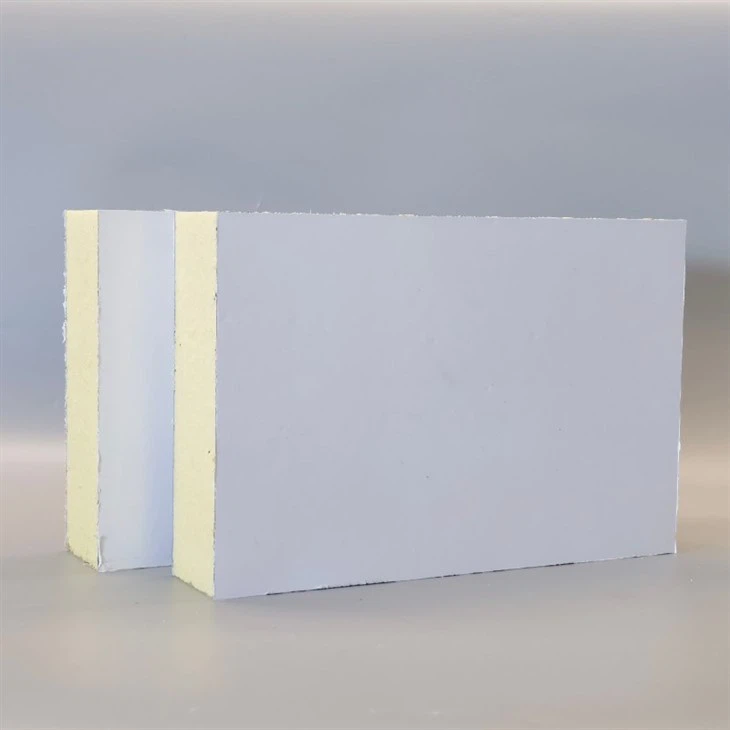
CFRT XPS Panel
XPS foam board is a fully recyclable insulation material. Made from extruded polystyrene, a material that does not deteriorate.

CFRT PET Panel
PET foam is primarily made from polyethylene terephthalate (PET). It is a closed-cell, low-density, thermoplastic structural polyester foam.

FRP PET Panel
FRP is a composite material made by combining fiberglass-reinforced plastic (FRP) with polyethylene terephthalate (PET) foam or solid PET sheet.
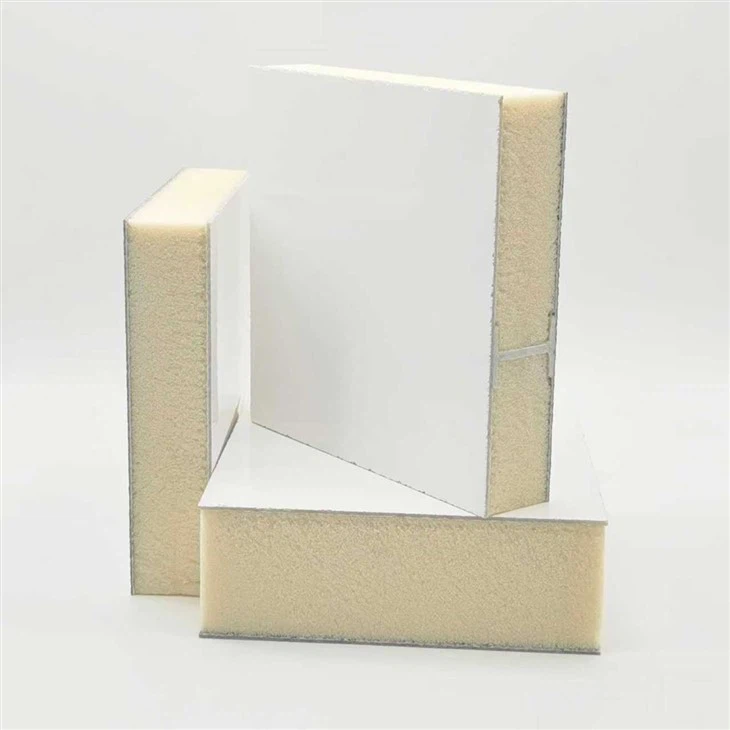
FRP PU Panel
FRP PU Panel is a composite material made from high-strength glass fiber and polyurethane (PU) foam.
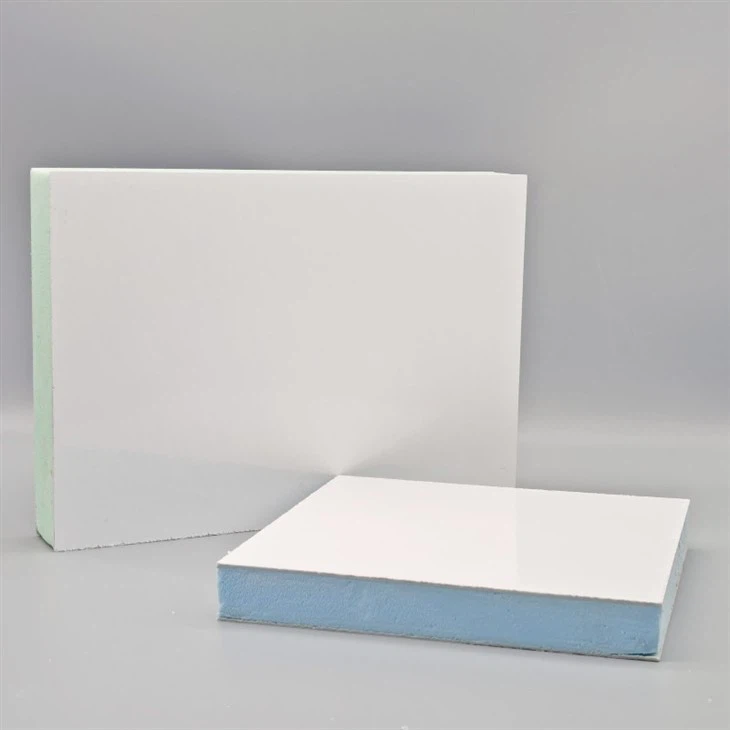
FRP XPS Panel
Fiberglass XPS insulation board is a composite material made from high-strength glass fiber and extruded polystyrene (XPS) foam board.
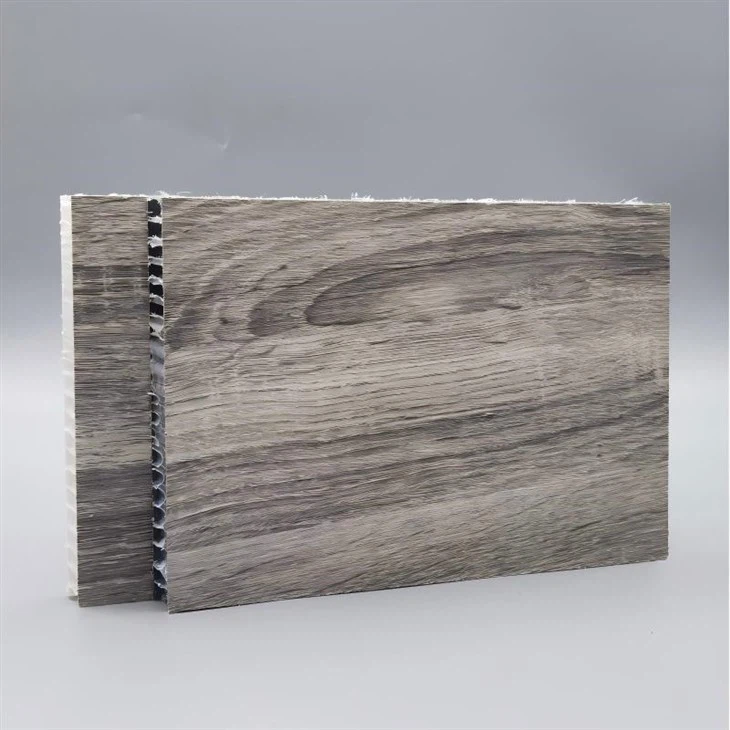
HexWood
Decorative panels are thermoplastic composite sandwich panels. The core material is available in PP honeycomb or PET foam.

HolyPan®

UDPan®

Thermoplastic Fiberglass Reinforced Honeycomb Panel

Open Cell PP Honeycomb Core
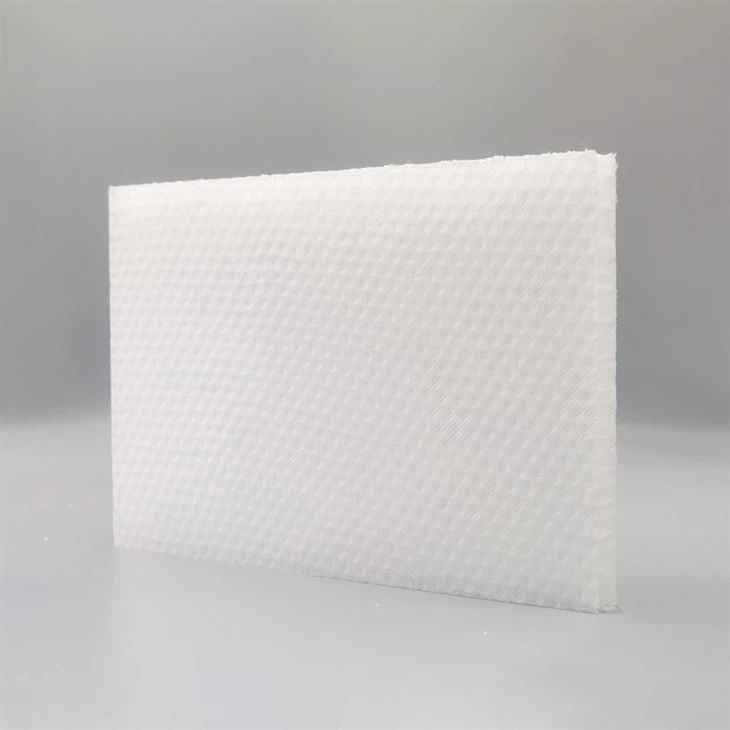
PP Honeycomb With Non-Woven Fabric
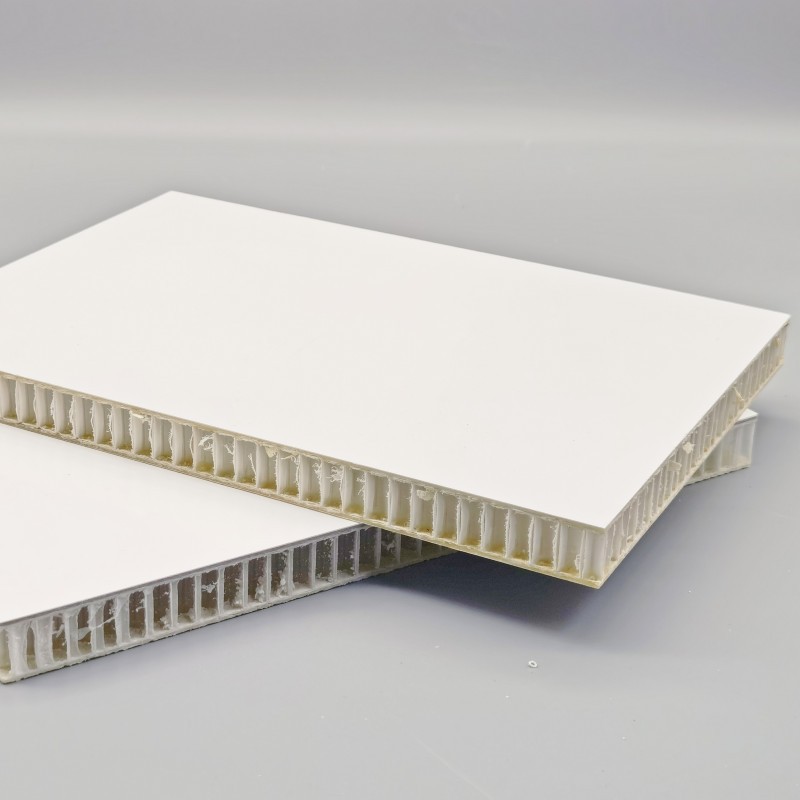
FRP Honeycomb Panel
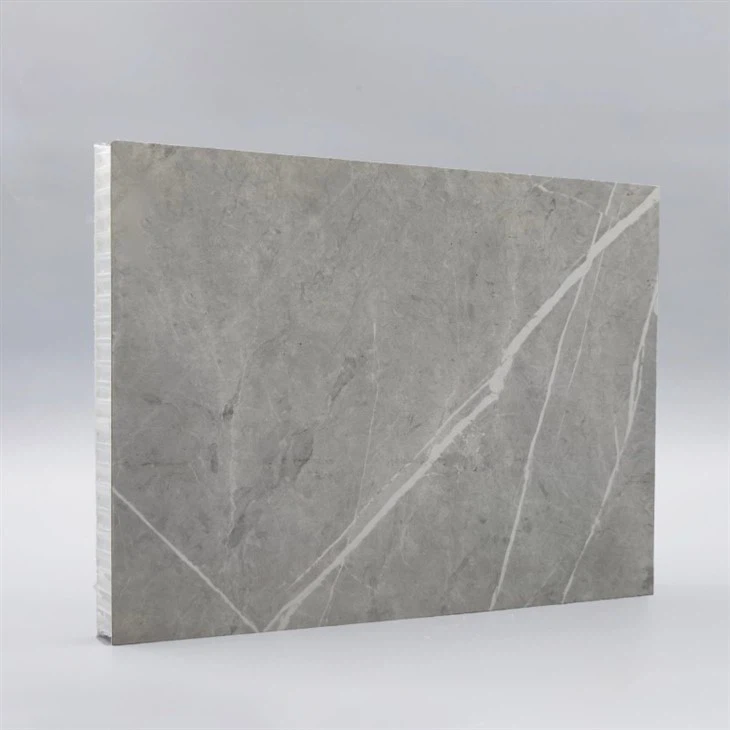
Decorative Panel
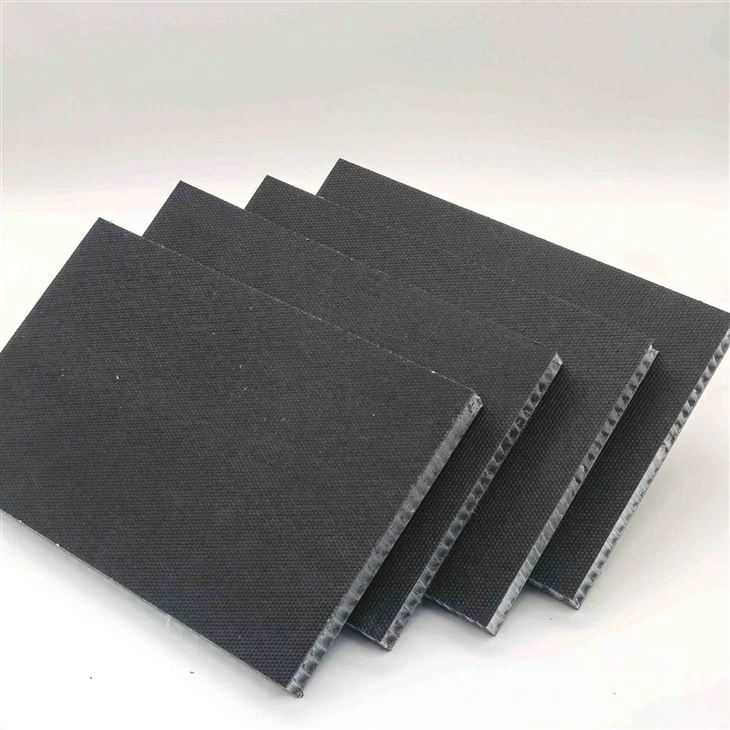
GWT ®
Application
● Foam board is a popular material for RV body panels. Examples include wall panels, floors, and roof panels for caravans, travel trailers, campers, and mobile homes.
● Foam board is suitable for the storage and transportation of medicines, fresh meat, vegetables, cold drinks, and fruit, and is a key material for refrigerated truck bodies and cold storage.
● Foam board is widely used in temporary housing, mobile homes, portable toilets, and other structures requiring thermal insulation, significantly reducing construction costs.
● Foam board can be used as wall panels, weatherboards, floors, and partitions within yacht interiors.


● Aerospace: Used in aircraft interiors, cargo floors, and structural components, where weight reduction and strength are essential.
● Automotive: Employed in vehicle panels, dashboards, and other components to enhance fuel efficiency and reduce overall vehicle weight.
● Construction: Utilized in lightweight wall panels, ceilings, and flooring systems, providing structural support while minimizing weight.
● Marine: Applied in boat hulls and interior structures, benefiting from the core's resistance to water and corrosion.
● Furniture: Used in lightweight furniture designs, such as tabletops and partitions, where strength and aesthetics are important.
● Sports Equipment: Incorporated into various sports gear, such as surfboards and bicycles, where performance and weight are critical factors.


Selection Guide
1. Weight and Strength Needs
Honeycomb core provides extremely high specific strength and stiffness, making it the best option for aerospace, rail transit, and other applications that demand maximum load-bearing capacity and lightweight design.
Foam core offers moderate strength but excels in lightweight construction and thermal insulation, which is ideal for building panels, marine structures, and general-purpose composites.
2. Processing and Forming
Honeycomb core is more complex to process and often requires specialized equipment, which suits large-scale, precision manufacturing.
Foam core is much easier to cut, bond, and thermoform, making it highly flexible and cost-effective for a wide range of applications.
3. Cost Considerations
Honeycomb core generally comes with higher costs due to its advanced manufacturing, making it suitable for premium and high-performance industries.
Foam core is more economical and thus widely used in commercial, construction, and mass-market applications.
4. Application Environment
Honeycomb core is highly impact-resistant and fatigue-resistant, performing well under vibration, heavy loads, and demanding conditions.
Foam core offers excellent thermal insulation, moisture resistance, and buoyancy, which makes it well-suited for insulation panels, boats, and packaging.
5. Typical Applications
Honeycomb core is widely used in aerospace structures (wings, bulkheads, floors), rail transit interiors, and high-performance sporting goods.
Foam core is commonly applied in building insulation panels, yacht hulls and decks, advertising display boards, and wind turbine blades.
👉 In summary:
Choose honeycomb core if your priority is maximum strength-to-weight performance.
Choose foam core if your priority is insulation, easy processing, and cost efficiency.
FRP Panel Mnufacturer:Holycore
Company Profile
Founded in 2012, Hangzhou Huali Composite Materials Co., Ltd., a subsidiary of Huazheng New Materials under the Huali Group, is a leading manufacturer of thermoplastic honeycomb core materials and composite panels. The company operates a modern 20,000-square-meter production facility in Hangzhou, utilizing advanced German production technology and integrating R&D, production, and quality control. Over the years, Huali Composite Materials has received numerous provincial and national certifications, including designation as a National Enterprise Technology Center, demonstrating its strong innovation capabilities and continuous pursuit of excellence.
Technology and Strength
The company's core products include HolyCore® thermoplastic honeycomb core materials and HolyPan® composite panels, which are widely used in commercial vehicles, logistics packaging, construction, and RV manufacturing. With an annual production capacity of 6 million square meters, Holycore not only ensures efficient and large-scale production, but also offers CKD (completely knocked-down) solutions for international customers. Its products are lightweight, high-strength, environmentally friendly, and can be customized to meet the needs of various industries, making them highly competitive in both domestic and international markets.
Why Choose Us
Choosing Holycore means partnering with a supplier with reliable expertise, advanced technology, and international experience. The company stands out for its strong R&D capabilities, intelligent manufacturing, extensive product range, and strong export track record in Europe, North America, and Australia. Offering competitive pricing through economies of scale, consistent quality assurance, and flexible customization options, Holycore is a trusted and forward-thinking supplier of sustainable, high-performance composite solutions.
Conclusion
Foam core and honeycomb core each offer distinct advantages depending on the application. Honeycomb cores provide outstanding stiffness, compressive strength, and structural performance, making them the preferred choice for aerospace, automotive, and other high-performance industries where strength-to-weight ratio is critical. On the other hand, foam cores excel in cost efficiency, thermal insulation, and ease of processing, which makes them highly suitable for construction panels, marine decks, furniture, and energy-efficient applications. Ultimately, the decision between foam core and honeycomb core should be based on the specific performance requirements, budget considerations, and end-use environment of the project.