About Holycore
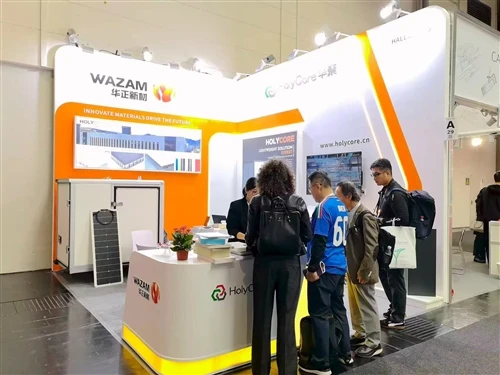
Holycore is a professional manufacturer specializing in polypropylene honeycomb composite panel systems for industrial lightweight applications.
The company focuses on developing structural solutions for:
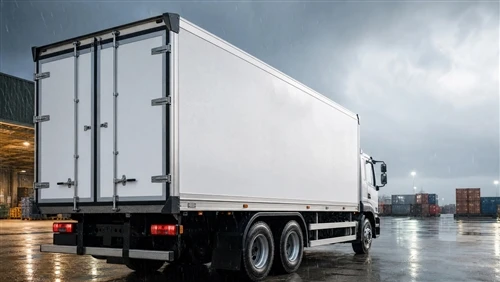
- Transportation systems
- Truck body manufacturing
- Logistics equipment
- Marine interior structures
- Modular industrial applications
Holycore's polypropylene honeycomb solutions are engineered to provide:
- Lightweight structural performance
- High durability in demanding environments
- Stable mechanical behavior under humidity and load
- Long-term industrial reliability
By focusing on advanced thermoplastic honeycomb technology, Holycore supports global industries in building next-generation lightweight structural systems.
👉 Learn more: https://www.holycore.com/

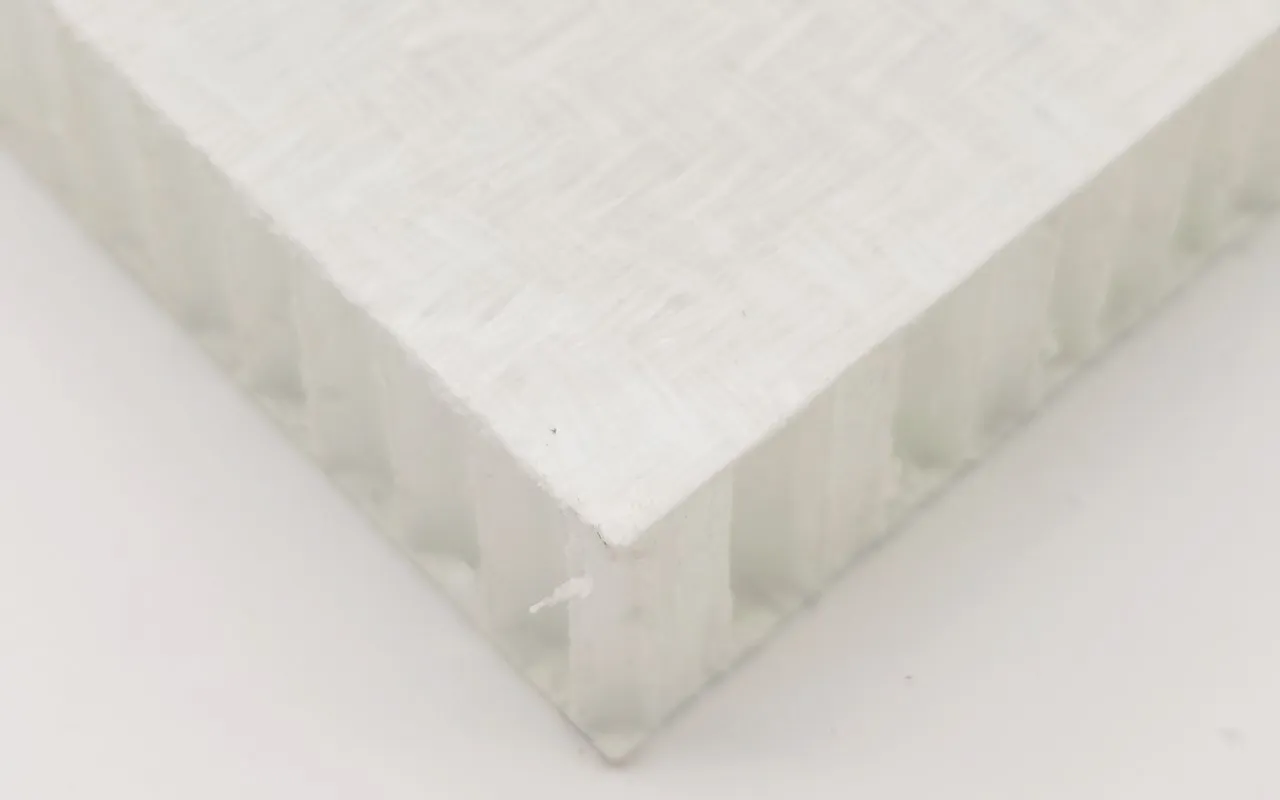
What Is a PP Honeycomb Panel?
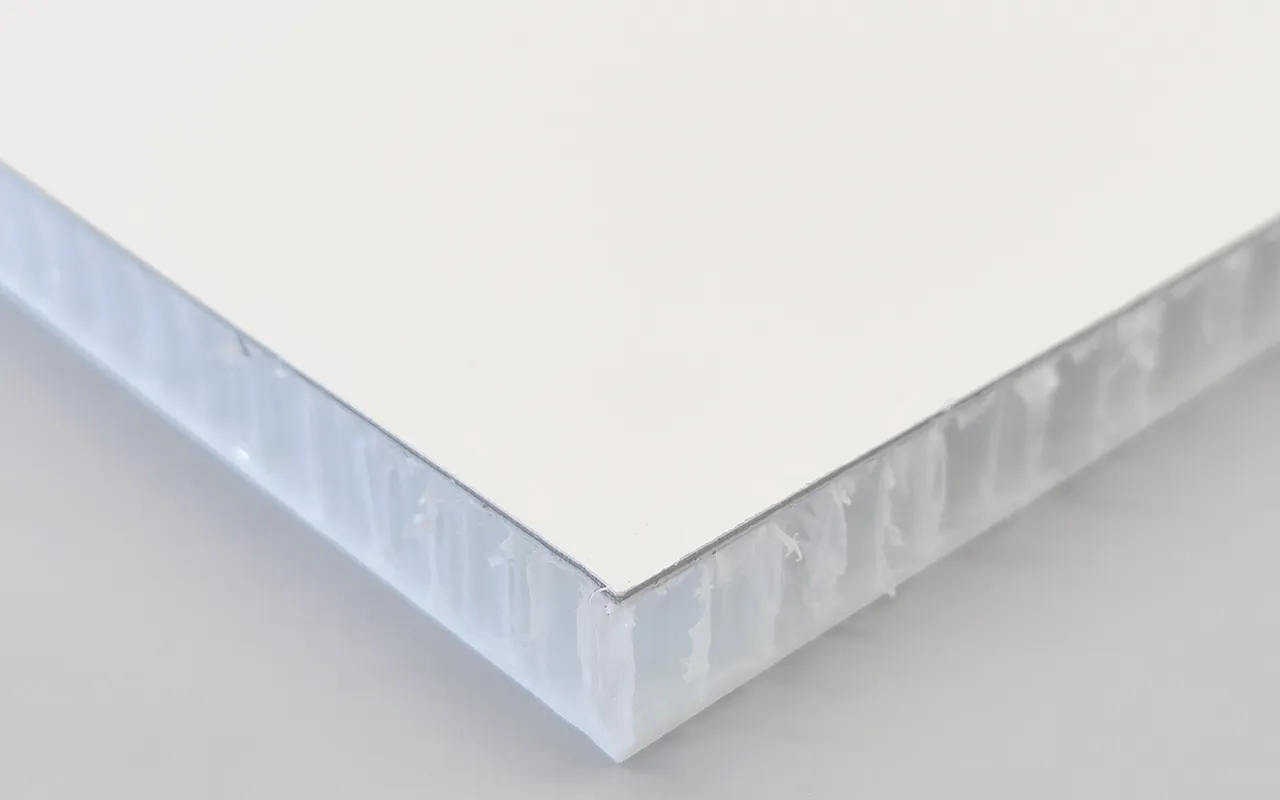
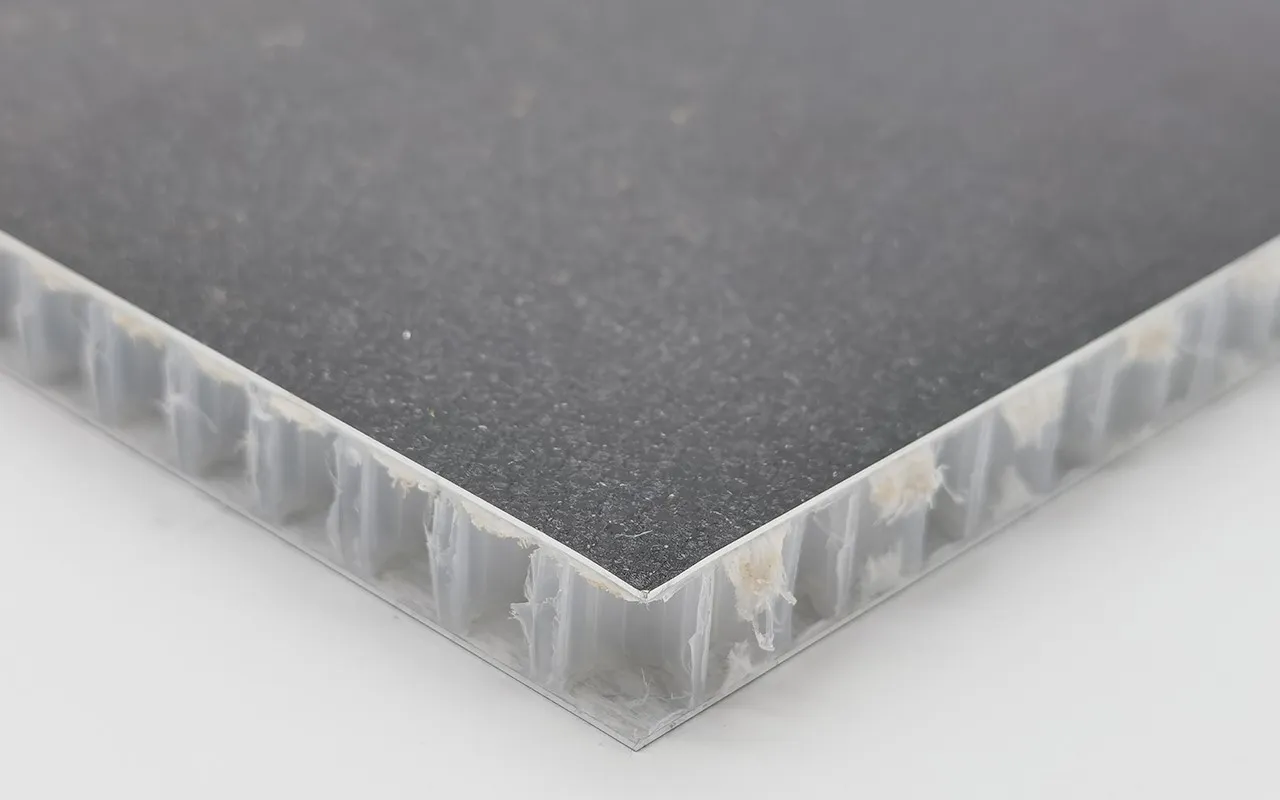
A polypropylene honeycomb panel is a lightweight sandwich-structured composite material made of:
- A polypropylene honeycomb core
- Two outer face sheets (varies by application design)
The core has a hexagonal cellular structure, which provides high stiffness while keeping weight extremely low.
Because the core material is polypropylene, it naturally resists water absorption and does not swell or degrade like moisture-sensitive materials.
This is the foundation of its waterproof performance.
Are Honeycomb Panels Waterproof?
✔ Yes-at material level, PP honeycomb panels are waterproof
Polypropylene is a hydrophobic (water-repelling) polymer, meaning:
- It does not absorb water
- It does not rot or swell
- It maintains structural stability in humid environments
In fact, PP has extremely low water absorption, making it highly stable in wet or marine conditions.
This means the core material itself is inherently waterproof.
But Waterproofing Is Not Just About the Core
Even though PP honeycomb is waterproof at the material level, real-world performance depends on the entire panel system, including:
- Edge sealing
- Surface material selection
- Lamination method
- Installation environment
This is why engineers say:
"A honeycomb panel is only as waterproof as its weakest sealing point."
Core Material Waterproof Performance
The PP honeycomb core is the most important factor in water resistance.
Why it is waterproof:
- Non-polar molecular structure
- No capillary water absorption
- Closed-cell honeycomb geometry reduces water penetration paths
Even in long-term humid environments, PP honeycomb maintains stable mechanical properties.
Key advantage for lightweight structures:
- No swelling
- No delamination caused by moisture inside the core
- Stable load-bearing behavior even in wet conditions
Surface Layer Protection
In most industrial applications, honeycomb panels are combined with outer skins.
These surfaces may include:
- Reinforced polymer sheets
- Composite laminates
- Industrial protective coatings
The surface layer acts as the first waterproof barrier, protecting the internal structure from direct water exposure.
When properly bonded, the system becomes suitable for:
- Truck bodies
- Marine interiors
- Outdoor modular structures
- Industrial equipment housings
Edge Sealing: The Most Critical Factor
Even if the core is waterproof, unsealed edges can allow water ingress over time.
This is the most overlooked factor in real applications.
- Proper edge sealing prevents:
- Moisture entering internal cavities
- Contamination inside honeycomb cells
- Long-term structural weakening at cut edges
In engineering design, edge sealing is essential for long-term durability in outdoor or wet environments.
Waterproof Performance in Real Applications
PP honeycomb panels are widely used in environments where water exposure is frequent:
🚚 Truck bodies
- Rain exposure
- Cleaning water pressure
- Humid cargo environments
🚢 Marine interiors
- Saltwater exposure
- Constant humidity
- Condensation conditions
🏗 Outdoor modular systems
- Weather changes
- Temperature fluctuations
- Long-term exposure
In all these applications, PP honeycomb panels maintain stable structural performance due to their moisture resistance and dimensional stability.
Waterproof vs Water-Resistant (Important Difference)
It is important to understand the difference:
| Term | Meaning |
|---|---|
| Waterproof | No water absorption into material |
| Water-resistant | Can resist water temporarily but may degrade over time |
PP honeycomb panels are material-level waterproof, but system-level performance depends on design.
Why Honeycomb Panels Perform Better Than Traditional Materials
Compared with moisture-sensitive materials, PP honeycomb panels offer:
- No water absorption inside structure
- No swelling or warping
- Long-term stability in humid environments
- Reduced maintenance requirements
- Better lifecycle performance in industrial use
This is one of the key reasons they are widely used in lightweight structural engineering systems.
Key Takeaways
To answer the main question clearly:
✔ Are honeycomb panels waterproof?
Yes at material level (especially PP honeycomb)
Yes in most industrial applications when properly designed
But performance depends on:
- Edge sealing
- Surface protection
- Installation quality
FAQ
1. Does temperature change affect the waterproof performance of PP honeycomb panels?
PP honeycomb panels maintain stable performance under a wide temperature range. Temperature fluctuations do not affect their inherent water resistance, although extreme thermal expansion conditions may influence the overall structural system design in large installations.
2. Can PP honeycomb panels be used in environments with constant condensation?
Yes. PP honeycomb panels are commonly used in environments where condensation is frequent, such as refrigerated transport systems and marine interiors. Their moisture-stable structure helps prevent internal degradation even under continuous humidity cycles.
3. How does cutting or machining affect water resistance?
Cutting or machining does not reduce the material's intrinsic water resistance, but exposed internal edges should be properly sealed in industrial applications to ensure long-term structural integrity in wet environments.
4. Are PP honeycomb panels suitable for high-pressure cleaning environments?
Yes. In many industrial and transportation applications, PP honeycomb panels are exposed to regular washing and cleaning processes. Their stable thermoplastic structure allows them to withstand high-pressure cleaning when properly installed and sealed.
5. Can PP honeycomb panels maintain performance after long-term outdoor exposure?
Yes. PP honeycomb panels are designed for long-term structural use in outdoor environments. When correctly engineered within a complete panel system, they maintain mechanical stability and dimensional consistency over extended service periods.
Looking for Waterproof Lightweight Panel Solutions?
Holycore provides advanced PP honeycomb panel systems for transportation, marine, and industrial environments, delivering stable performance in demanding conditions.
Ask for Pricing & Technical Details