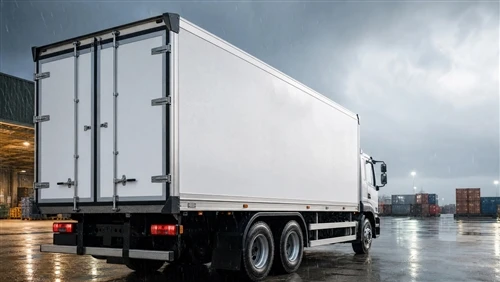
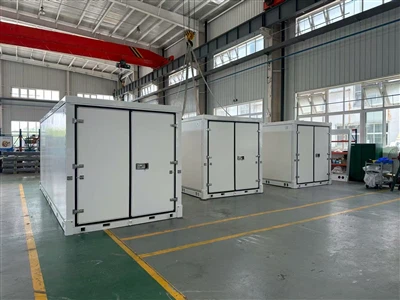
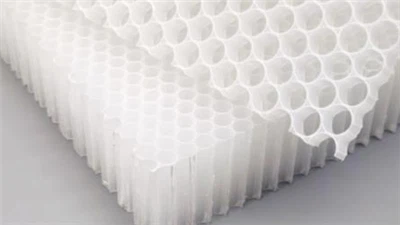
In modern commercial transportation, truck body design has shifted from traditional heavy structures to lightweight, high-efficiency composite systems. Among all available materials, polypropylene (PP) honeycomb panels have become one of the most widely adopted solutions in truck body manufacturing.
The reason is simple: truck operators today care about fuel efficiency, payload capacity, durability, and lifecycle cost, not just initial material price. PP honeycomb panels directly address all of these requirements in a single engineered structure.
How Holycore Supports Truck Body Manufacturing
Holycore is a professional manufacturer specializing in polypropylene honeycomb composite systems designed for lightweight industrial structures.
The company focuses on providing engineered honeycomb panel solutions for:
- Truck body systems
- Logistics transportation equipment
- Refrigerated vehicle structures
- Industrial modular panels
- Marine and mobile applications
Holycore develops PP honeycomb panels with a strong emphasis on:
- Lightweight structural efficiency
- High mechanical stability
- Long-term durability under vibration
- Adaptability to different industrial environments
By focusing on thermoplastic honeycomb technology, Holycore supports OEM manufacturers in building next-generation truck body systems that are lighter, stronger, and more efficient.
What Makes Truck Body Manufacturing So Demanding?
Truck bodies operate in extremely harsh and repetitive conditions, including:
- Continuous vibration during transportation
- Heavy loading and unloading cycles
- Impact from cargo movement
- Outdoor exposure (rain, UV, humidity)
- Temperature variation (especially refrigerated transport)
- Long service hours per day
Traditional solid sheet materials often struggle because they are either:
- Too heavy → reduces payload efficiency
- Not impact-resistant enough → cracks or deforms over time
- Sensitive to moisture → performance degradation
- High maintenance → increasing lifecycle cost
This is where PP honeycomb panels change the entire design logic.
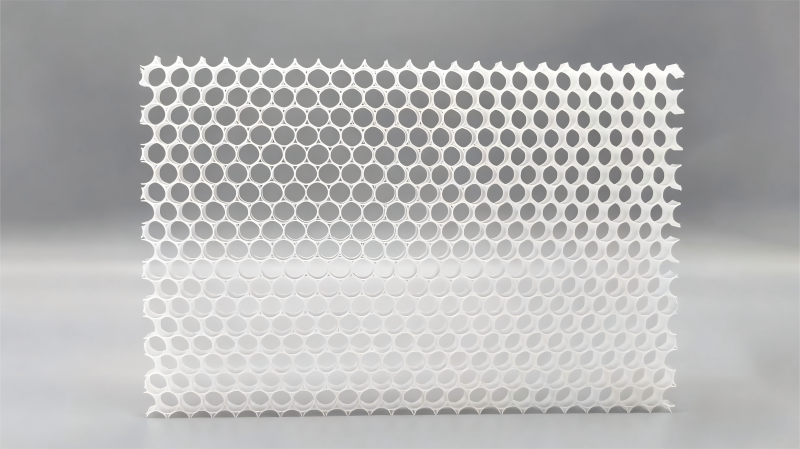
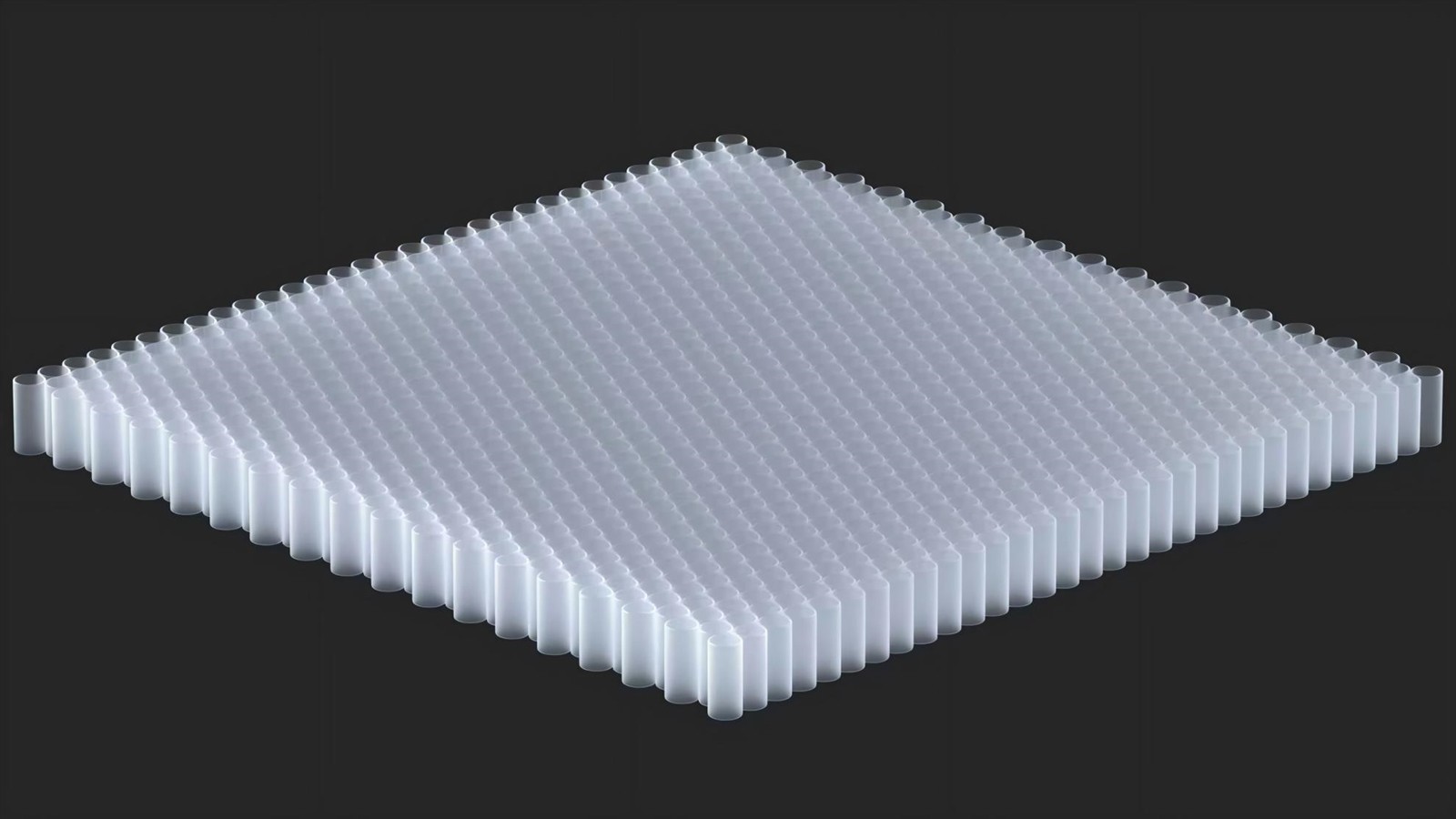
What Is a PP Honeycomb Panel?
A polypropylene honeycomb panel is a sandwich-structured composite material consisting of:
- A lightweight polypropylene honeycomb core
- Outer structural face sheets (such as composite laminates or thermoplastic skins)
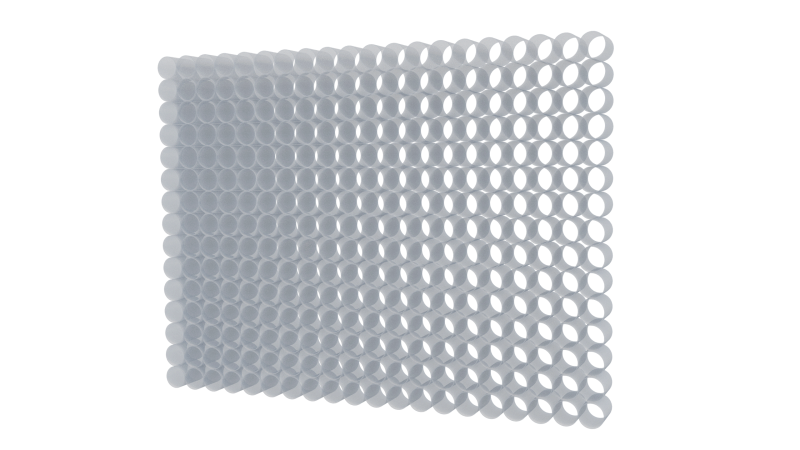
The core uses a hexagonal cellular structure, which is one of the most efficient geometries in engineering. It distributes force evenly across the structure, preventing localized failure and reducing deformation under load.
This structural concept is widely used in transport engineering because it combines low weight + high stiffness + impact resistance in a single panel system.

Why PP Honeycomb Panels Are Widely Used in Truck Body Manufacturing
1. Significant Weight Reduction Improves Fuel Efficiency
One of the biggest advantages in truck manufacturing is weight reduction.
PP honeycomb panels are extremely lightweight compared to traditional solid boards, which directly leads to:
- Lower fuel consumption
- Higher energy efficiency (especially electric trucks)
- Reduced tire and brake wear
- Lower overall operating cost
In logistics fleets, even small weight reductions per vehicle result in large cost savings across thousands of kilometers of operation.
This is one of the main reasons PP honeycomb panels are widely adopted in commercial transport systems.
2. Higher Payload Capacity Within Legal Limits
Truck operators are restricted by legal gross vehicle weight limits.
By reducing the structural weight of the truck body itself, PP honeycomb panels allow:
- More cargo per trip
- Higher transportation efficiency
- Better profit per journey
This is especially important in long-distance logistics, where maximizing payload directly impacts revenue.
3. Excellent Load Distribution in Real Truck Conditions
Truck bodies are not static structures-they face dynamic loads such as:
- Forklift impact during loading
- Pallet collision with side walls
- Road vibration and shock
- Uneven cargo pressure
The honeycomb core structure distributes stress across multiple cells instead of concentrating force at a single point.
This means:
- Less deformation under impact
- Reduced risk of panel cracking
- Better long-term structural stability
Modern honeycomb engineering systems are specifically designed to improve load distribution performance in transport environments.
4. Strong Resistance to Moisture and Corrosion
Truck bodies often operate in:
- Rainy environments
- Coastal regions
- Cold-chain refrigerated conditions
- High-humidity warehouses
Unlike moisture-sensitive materials, PP honeycomb panels offer:
- No water absorption
- Stable mechanical properties in wet conditions
- Resistance to chemical cleaning agents
- Long-term dimensional stability
This makes them especially suitable for refrigerated truck bodies and logistics containers.
5. Long Service Life and Low Maintenance Cost
Truck operators prefer materials that reduce downtime and maintenance.
PP honeycomb panels provide:
- High fatigue resistance under vibration
- Reduced risk of structural deformation
- Lower repair frequency
- Easy panel replacement when needed
Over time, this significantly reduces total lifecycle cost compared to traditional structural materials.
6. Compatibility With Multiple Surface Materials
Another reason for widespread use in truck manufacturing is flexibility.
PP honeycomb cores can be combined with different surface skins depending on application needs, such as:
- Reinforced composite skins for heavy-duty cargo
- Smooth surfaces for refrigerated truck interiors
- Durable coatings for logistics fleets
This flexibility allows manufacturers to design customized truck body systems for different industries.
Typical Truck Applications of PP Honeycomb Panels
PP honeycomb panels are widely used in:
🚚 Cargo Box Walls
- High stiffness and impact resistance
- Protects goods during transport
🚚 Truck Flooring Systems
- Supports heavy pallets and forklifts
- Reduces overall vehicle weight
🚚 Refrigerated Truck Panels
- Stable structure in low-temperature environments
- Supports insulation systems
🚚 Side Doors and Interior Partitions
- Lightweight yet durable structural support
- Reduces fuel consumption
🚚 Trailer Body Structures
- Large-area panel stability
- Improved load distribution under long-distance transport
Why PP Honeycomb Panels Are Replacing Traditional Truck Body Materials
Across the industry, there is a clear shift:
- From heavy monolithic materials
- To engineered sandwich structures
PP honeycomb panels outperform traditional solutions because they:
- Reduce structural weight without sacrificing strength
- Improve fuel and energy efficiency
- Extend service life under harsh conditions
- Reduce maintenance requirements
- Improve total cost of ownership
In modern truck manufacturing, efficiency is no longer optional-it is a competitive requirement.
FAQ
1. Can PP honeycomb panels be used in refrigerated truck bodies?
Yes. PP honeycomb panels are widely used in refrigerated truck structures because they maintain excellent dimensional stability under low temperatures and humid environments. They also work well as a structural layer combined with insulation systems, helping maintain internal temperature efficiency during transport.
2. How are PP honeycomb panels connected or assembled in truck body construction?
PP honeycomb panels can be assembled using industrial adhesives, thermal bonding processes, or mechanical fastening systems depending on the design. This flexibility allows manufacturers to integrate them into different truck body structures such as sidewalls, flooring, and modular compartments.
3. Do PP honeycomb panels require special maintenance during operation?
No special maintenance is required under normal truck operating conditions. Routine cleaning and basic surface inspection are usually sufficient. Their closed-cell structure helps prevent internal damage, reducing long-term maintenance complexity compared to conventional rigid panels.
4. Can PP honeycomb panels be repaired if damaged?
Yes. In most cases, damaged sections of PP honeycomb panels can be repaired locally or replaced in modular form without dismantling the entire truck body. This modular repairability helps reduce downtime in fleet operations.
5. Are PP honeycomb panels suitable for electric truck body design?
Yes. They are increasingly used in electric trucks because weight reduction is critical for extending driving range. By reducing the body structure weight, PP honeycomb panels help improve overall energy efficiency and increase usable payload in electric commercial vehicles.
Looking for Lightweight Solutions for Truck Body Manufacturing?
Holycore provides high-performance PP honeycomb panel systems designed for modern truck body structures.
Improve payload efficiency, reduce vehicle weight, and enhance long-term durability with advanced composite solutions.