In morden material engineering, industries are constantly searching for solutions that are lighter, stronger, more durable, and more environmentally friendly. One of the materials that has rapidly gained global attention is the polypropylene honeycomb panel. It is widely used in transportation, logistics, construction, marine, and industrial manufacturing due to its unique structure and outstanding performance characteristics.
This article explains in detail what a polypropylene honeycomb panel is, and more importantly, how it is used across different industries, with a focus on real-world applications and engineering value. We will also introduce Holycore, a professional manufacturer specializing in advanced thermoplastic composite solutions.
How Holycore Uses Polypropylene Honeycomb Technology
Holycore is a professional manufacturer specializing in thermoplastic composite materials and advanced honeycomb panel systems. The company focuses on developing lightweight structural materials that meet the demands of modern industries such as transportation, logistics, marine, and construction.
Unlike traditional material systems, Holycore does not rely on heavy or outdated core materials. Instead, it focuses on advanced PP-based engineering structures that deliver:
- High strength-to-weight performance
- Excellent durability under dynamic loads
- Stable bonding with various surface skins
- Long service life in harsh environments
Holycore's polypropylene honeycomb solutions are designed to support OEM manufacturers and industrial designers who need reliable lightweight structural systems for mass production.
Key Value in Real Applications
Holycore PP honeycomb systems are commonly used in:
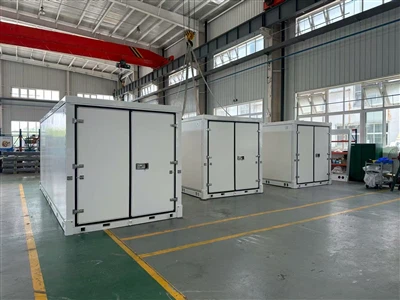
- Refrigerated transport panels
- Truck and van body systems
- Industrial modular structures
- Protective packaging systems
- Interior panels for transportation equipment
These applications benefit from consistent performance and stable processing behavior during lamination and assembly.
What Is a Polypropylene Honeycomb Panel?
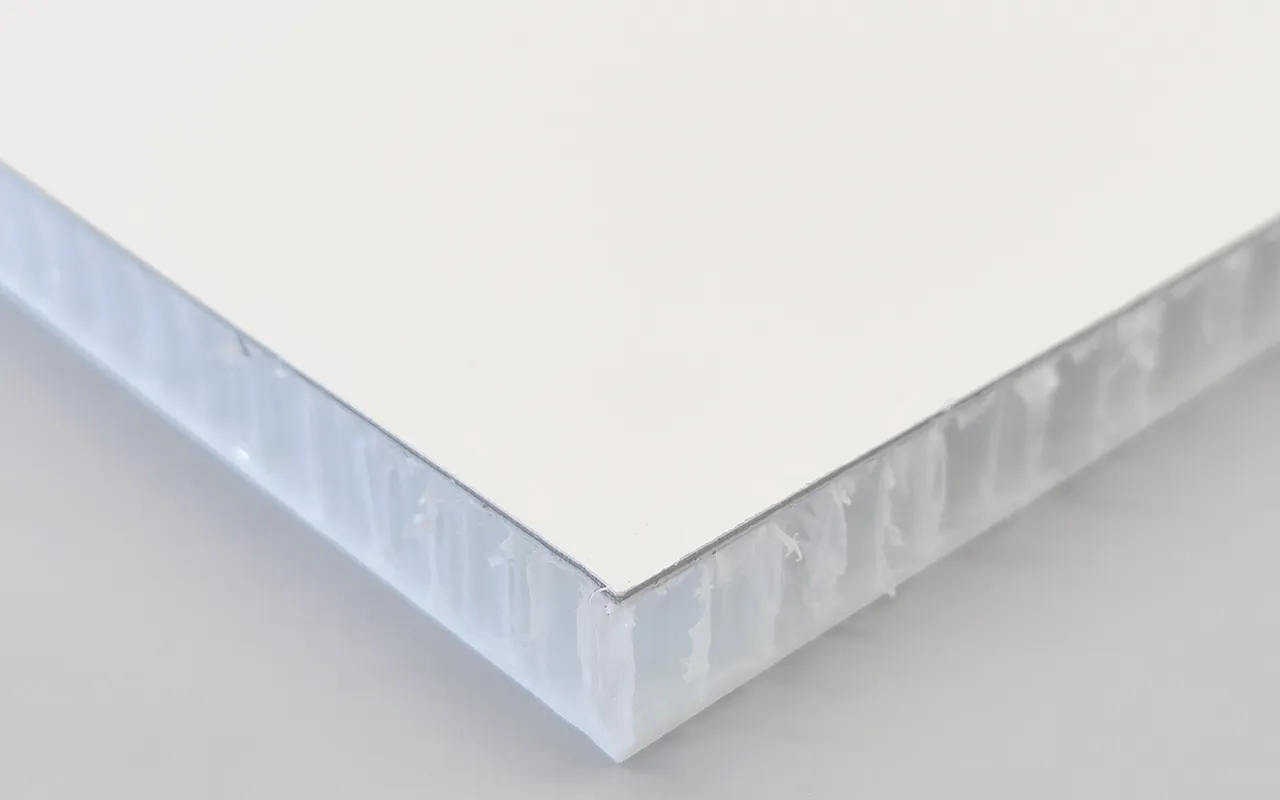
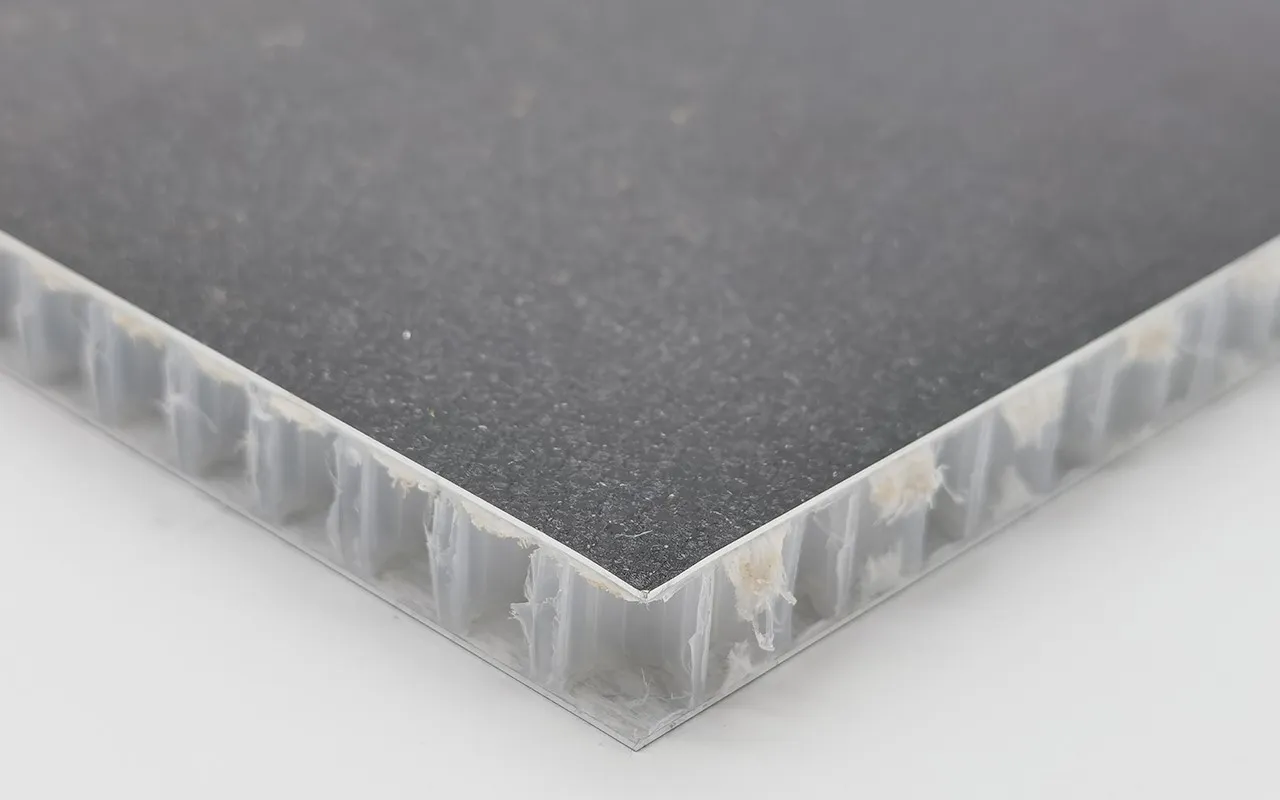
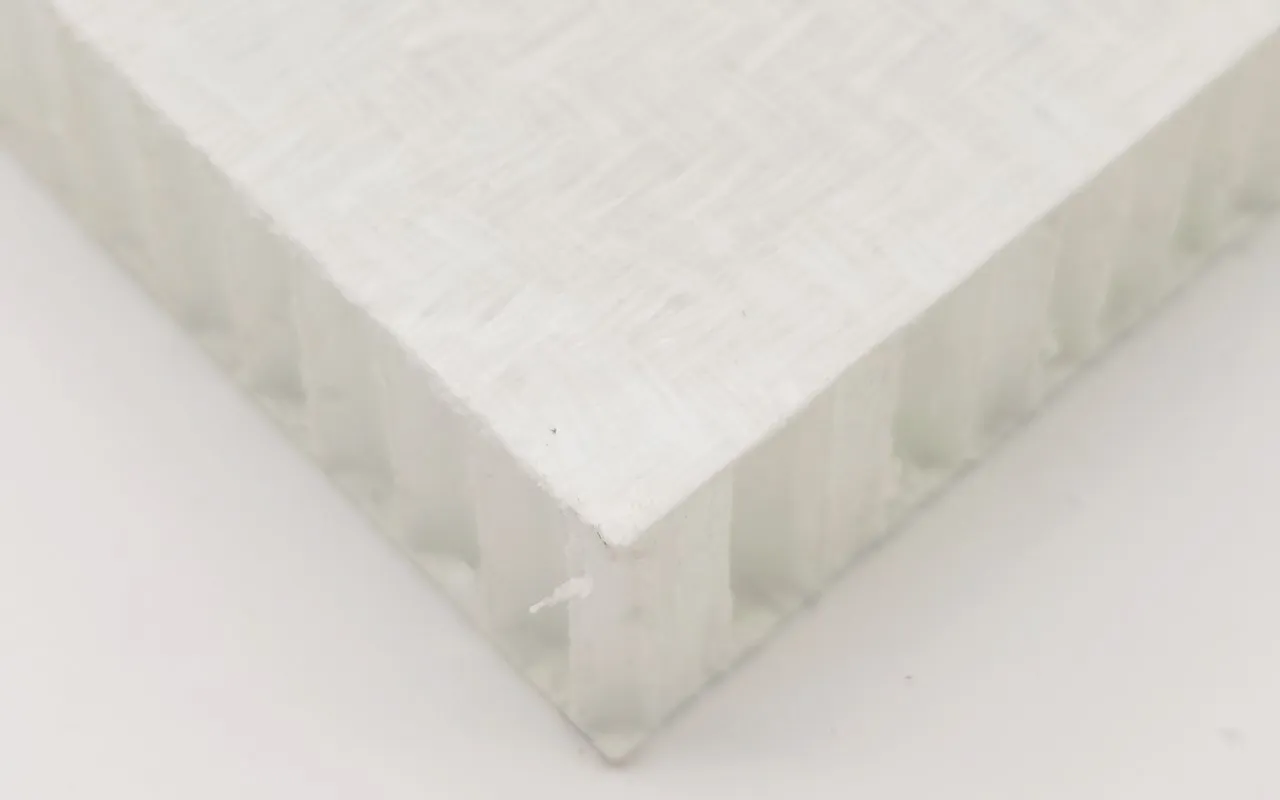
A polypropylene honeycomb panel is a type of lightweight sandwich-structured composite material. It is made by combining:
A polypropylene (PP) honeycomb core
One or two outer face sheets (skins) such as fiberglass reinforced plastic (FRP), PP sheets, or other thermoplastic laminates
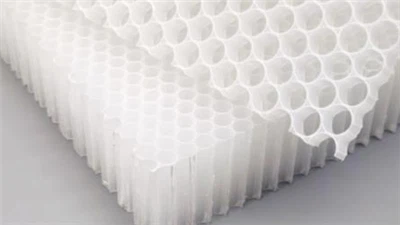
The core is designed in a hexagonal honeycomb structure, similar to natural beehives. This geometric structure is the key to its performance.
Core Structure and Material
The polypropylene core is made from thermoplastic polymer sheets that are expanded and formed into a honeycomb pattern. This structure creates:
- Hollow cells for weight reduction
- Strong vertical support between skins
- High resistance to compression and bending
Despite being extremely lightweight, the structure distributes loads efficiently across the entire panel.
Key Material Properties
Polypropylene honeycomb panels are known for several important characteristics:
- Lightweight design: significantly reduces total structural weight
- High strength-to-weight ratio: strong support with minimal material usage
- Corrosion resistance: unaffected by moisture, chemicals, or saltwater
- Impact resistance: absorbs shock and reduces deformation
- Thermoformability: can be molded into different shapes
- Recyclability: environmentally friendly thermoplastic material
According to industry research, PP honeycomb panels are increasingly replacing traditional materials such as wood, foam, and metal-based structures in many applications due to their performance advantages.

How Is a Polypropylene Honeycomb Panel Used?
The real value of polypropylene honeycomb panels lies in their wide range of industrial applications. Because the material is lightweight yet strong, it is used wherever weight reduction and structural stability are both important.
Below are the major application areas and how the material is used in each.
Transportation Industry Applications
One of the largest application fields is transportation, especially in vehicles that require fuel efficiency and durability.
Automotive and Commercial Vehicles
Polypropylene honeycomb panels are widely used in:
- Car trunk floors
- Door panels
- Seat backs
- Interior partitions
- Roof liners
- Load floors in vans and trucks
In commercial transport such as buses and logistics vehicles, these panels are used for:
- Cargo walls
- Flooring systems
- Bulkheads
- Ceiling panels
The reason is simple: reducing vehicle weight directly improves fuel efficiency and payload capacity, while maintaining structural strength under continuous vibration and heavy load conditions.
Logistics and Packaging Systems
In logistics and industrial packaging, PP honeycomb panels are used to build:
- Reusable transport boxes
- Folding crates
- Industrial packaging containers
- Aviation transport cases
These applications benefit from the material's ability to resist:
- Moisture
- Impact damage
- Repeated handling stress
Unlike wood-based packaging, polypropylene panels do not rot, absorb water, or deform easily, making them ideal for long-term reusable systems.
Construction and Architectural Applications
In the construction industry, polypropylene honeycomb panels are used as modern alternative building materials.
Typical applications include:
- Interior wall panels
- Partition systems
- Ceiling structures
- Temporary buildings
- Decorative panels
Their advantages in construction include:
- High flatness and structural stability
- Easy installation and cutting
- Good sound insulation properties
- Resistance to humidity and corrosion
Because of these features, PP honeycomb panels are increasingly used in modular and prefabricated construction systems where speed and efficiency are essential.
Marine and Outdoor Applications
In marine and outdoor environments, materials must withstand moisture, salt, and harsh weather conditions.
Polypropylene honeycomb panels are used for:
- Boat interior panels
- Yacht flooring systems
- Marine partitions
- Outdoor furniture structures
- Portable shelters
Their resistance to water absorption and corrosion makes them especially suitable for long-term outdoor exposure, where traditional wood or metal materials may degrade quickly.
Industrial and Equipment Applications
In industrial environments, PP honeycomb panels are widely used in:
Machine covers
Protective enclosures
Cleanroom wall systems
Equipment housings
Factory partitions
These applications benefit from:
Chemical resistance
Lightweight structure for easy installation
Vibration damping performance
In cleanroom environments, especially, the smooth surface and non-absorbent structure help maintain hygiene standards.
Why Polypropylene Honeycomb Panels Are Replacing Traditional Materials
Across industries, PP honeycomb panels are replacing older materials such as:
- Solid plastic sheets
- Plywood and wood-based boards
- Heavy composite panels
- Foam-core sandwich structures
The reason is a combination of:
- Lower weight
- Higher durability
- Better environmental resistance
- Improved lifecycle cost efficiency
In modern engineering, reducing weight without sacrificing strength is one of the most important design goals, especially in transportation and logistics systems.
FAQ
Polypropylene honeycomb panels use a hollow hexagonal core structure instead of a solid structure.
This design significantly reduces weight while maintaining high rigidity, making it more efficient for transportation, logistics, and structural applications compared to solid plastic sheets.
Yes. Although lightweight, the honeycomb structure distributes pressure evenly across the panel surface.
When combined with appropriate face sheets, it can handle medium to heavy-load applications such as vehicle flooring, cargo systems, and industrial platforms.
Yes. Polypropylene material has excellent resistance to moisture, corrosion, and many chemicals, making it suitable for outdoor and marine environments.
It maintains stable performance even under humid or variable weather conditions.
The service life depends on application conditions, but in general industrial use, polypropylene honeycomb panels can last for many years without significant structural degradation due to their corrosion-resistant and fatigue-resistant properties.
Yes. These panels can be customized in terms of thickness, density, surface material, and mechanical performance.
Holycore provides tailored solutions based on specific requirements in transportation, logistics, marine, and construction applications.
Need Customized Honeycomb Panel Solutions?
Contact Holycore to get engineered polypropylene honeycomb solutions tailored to your industry requirements.