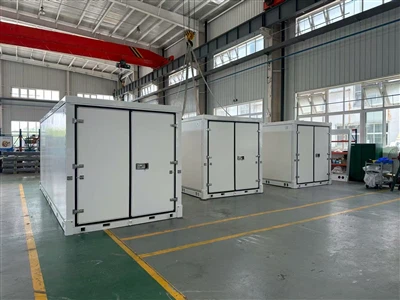
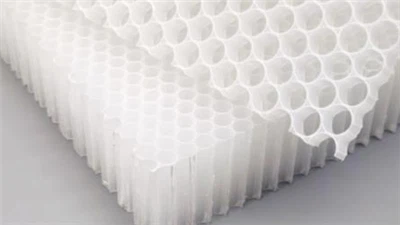
Composite panels are widely adopted across transportation, construction, industrial equipment, logistics vehicles, marine structures, and architectural applications. Their advantages-lightweight construction, high strength-to-weight ratio, corrosion resistance, and design flexibility-make them superior alternatives to traditional metal or solid panels in many use cases.
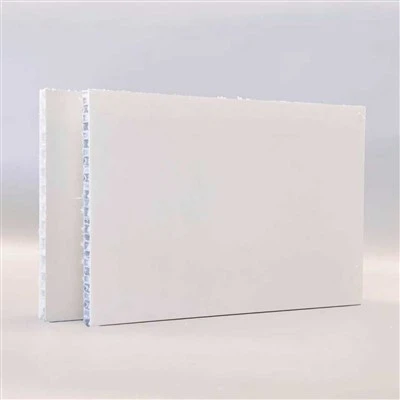
However, composite panels are multi-material systems. They typically combine face sheets (such as FRP, aluminum, or thermoplastic laminates) with lightweight cores (such as honeycomb or foam) through adhesive bonding or lamination processes. While this layered architecture delivers exceptional performance, it also introduces multiple interfaces and material interactions that can become sources of failure if not properly designed, manufactured, and maintained.
Understanding common failure modes in composite panels is essential for preventing premature damage, ensuring long-term durability, and maintaining structural safety.
The Most Critical Composite Panel Failure Mode
What Is Delamination?
Delamination refers to the separation of layers within a composite panel, typically occurring between:
Face sheets and core
Individual plies within a laminate
Adhesive bond lines
Once delamination initiates, load transfer efficiency is severely compromised, often leading to rapid stiffness loss and progressive failure.
Primary Causes of Delamination
Common root causes include:
Insufficient adhesive bonding
Poor surface preparation
Incompatible materials
Voids or air entrapment during lamination
Excessive peel or shear stresses
Thermal expansion mismatch
Environmental exposure such as moisture ingress and freeze-thaw cycling can further accelerate delamination.
How to Prevent Delamination
Effective prevention strategies include:
Selecting adhesives compatible with both face sheets and core materials
Implementing controlled surface preparation processes
Ensuring uniform adhesive thickness
Applying adequate bonding pressure during lamination
Designing panels to minimize peel stresses at edges
Delamination resistance must be addressed at both design and manufacturing stages.
Loss of Structural Load Transfer
Understanding Core Shear Failure
In sandwich panels, the core carries shear loads while maintaining the separation between face sheets. Core shear failure occurs when the core material fractures, buckles, or collapses under applied loads.
This failure mode is common in:
Lightweight honeycomb cores
Low-density foam cores
Panels subjected to high bending loads
Contributing Factors
Core shear failure is often caused by:
Under-specified core density or thickness
Excessive panel span
Concentrated loads without reinforcement
Poor bonding between core and skins
Once core shear failure occurs, the panel rapidly loses stiffness and load-bearing capability.
Prevention Strategies
To avoid core shear failure:
Match core mechanical properties to expected load conditions
Increase core thickness instead of face sheet thickness when possible
Use localized inserts or reinforcements under point loads
Perform shear and bending calculations during design
Proper core selection is fundamental to panel reliability.
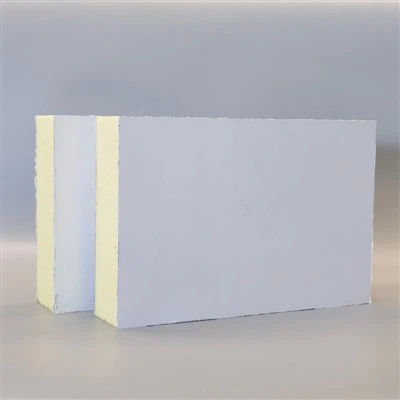
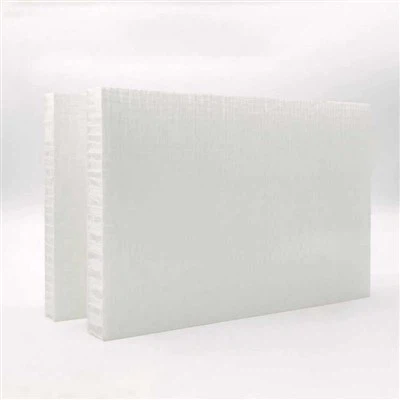
Face Sheet Cracking and Fracture
Nature of Face Sheet Failure
Face sheets resist tensile and compressive stresses during bending. Cracking or fracture typically occurs on the tension side of the panel under excessive load or repeated fatigue.
In FRP panels, cracking may initiate within:
Resin-rich areas
Fiber-matrix interfaces
Areas with fiber misalignment
Causes of Face Sheet Cracking
Common causes include:
Insufficient laminate thickness
Poor fiber orientation design
Manufacturing defects such as dry spots
Impact damage
Excessive localized stress concentrations
Cracks may propagate over time, especially under cyclic loading.
How to Reduce Face Sheet Failure Risk
Effective mitigation measures include:
Optimizing fiber orientation for load paths
Increasing laminate thickness in high-stress regions
Avoiding sharp corners and abrupt geometry changes
Implementing impact-resistant outer layers
Designing face sheets based on realistic load cases is critical.
Weak Link Between Layers
Types of Adhesive Failure
Adhesive failure in composite panels can occur as:
Adhesive failure (at the interface)
Cohesive failure (within the adhesive)
Mixed-mode failure
Adhesive failure is particularly dangerous because it often remains hidden until structural performance degrades significantly.
Common Root Causes
Typical reasons include:
Incompatible adhesive chemistry
Contaminated bonding surfaces
Incorrect curing temperature or time
Excessive bond-line thickness variation
Aging and environmental degradation
Best Practices to Avoid Adhesive Failure
Preventive measures include:
Selecting adhesives designed for composite sandwich structures
Implementing strict surface cleanliness controls
Monitoring curing parameters
Conducting bond strength testing
Adhesive selection should never be treated as an afterthought.
Core Crushing and Localized Compression Failure
What Is Core Crushing?
Core crushing occurs when localized compressive loads exceed the compressive strength of the core, leading to permanent deformation.
This failure is common under:
Point loads
Fastener locations
Equipment mounting points
Why Core Crushing Happens
Key contributors include:
Low-density core materials
Absence of load-spreading layers
Improper fastening methods
Over-tightening of mechanical fasteners
Once crushed, the core can no longer support face sheets effectively.
How to Prevent Core Crushing
Effective solutions include:
Using high-density inserts at load points
Adding load-distribution plates
Designing bonded joints instead of mechanical fasteners
Limiting allowable bearing stresses
Localized reinforcement is essential in functional panel areas.
Moisture Ingress and Environmental Degradation
Effects of Moisture on Composite Panels
Moisture ingress can lead to:
Adhesive degradation
Core swelling
Loss of bond strength
Freeze-thaw damage
This issue is especially critical in refrigerated, marine, and outdoor applications.
Entry Paths for Moisture
Common moisture entry points include:
Panel edges
Fastener penetrations
Cracks or surface damage
Poorly sealed joints
Prevention Methods
To mitigate environmental degradation:
Seal all exposed panel edges
Use moisture-resistant adhesives
Apply protective coatings
Design for proper drainage and ventilation
Environmental durability must be considered from the outset.
Thermal Cycling and Differential Expansion Failure
Thermal Mismatch in Composite Panels
Different materials within a composite panel exhibit different coefficients of thermal expansion. Thermal cycling can induce:
Interfacial stresses
Microcracking
Progressive delamination
Common Risk Scenarios
Thermal-related failures often occur in:
Panels exposed to outdoor temperature extremes
Refrigerated structures
Applications involving hot-cold cycling
How to Minimize Thermal Damage
Mitigation strategies include:
Selecting materials with compatible thermal behavior
Using toughened or flexible adhesives
Allowing controlled movement in panel design
Thermal effects must be addressed at both material and structural levels.
Impact Damage and Hidden Internal Failure
Nature of Impact Damage
Composite panels may appear visually intact after impact but suffer internal damage such as:
Core fracture
Delamination
Microcracking
This phenomenon is often referred to as barely visible impact damage (BVID).
Common Sources of Impact
Typical impact sources include:
Handling and transportation
Forklift contact
Road debris
Tool drops during maintenance
Preventive Measures
To improve impact resistance:
Use tougher resin systems
Add protective outer layers
Implement impact-resistant design zones
Train personnel in proper handling procedures
Impact tolerance is a critical performance requirement.
Fatigue Failure Under Cyclic Loading
Understanding Fatigue in Composite Panels
Repeated loading can lead to:
Progressive bond degradation
Crack initiation and growth
Loss of stiffness
Fatigue failure often develops slowly and goes unnoticed until significant damage has occurred.
Contributing Factors
Fatigue damage is influenced by:
Load amplitude
Load frequency
Environmental conditions
Material quality
Fatigue Mitigation Strategies
To reduce fatigue risk:
Design with appropriate safety factors
Use fatigue-resistant adhesives
Avoid stress concentrations
Conduct fatigue testing during development
Long-term durability depends on fatigue performance.
Manufacturing Defects and Process-Related Failures
Common Manufacturing Defects
Defects that weaken composite panels include:
Voids and air pockets
Resin starvation
Fiber misalignment
Inconsistent adhesive application
Process Control as a Preventive Tool
Strong process control includes:
Standardized work instructions
Controlled environmental conditions
Operator training
In-process inspection
Manufacturing discipline directly affects panel reliability.
Design-Related Failure Modes
Poor Load Path Design
Improper load paths can cause unexpected stress concentrations, leading to premature failure.
Insufficient Safety Margins
Under-designed panels may meet initial requirements but fail under real-world conditions.
Design Best Practices
Effective design practices include:
Finite element analysis
Conservative safety factors
Validation through physical testing
Design decisions strongly influence failure risk.
Inspection, Testing, and Early Detection
Non-Destructive Testing Methods
Common methods include:
Ultrasonic inspection
Tap testing
Infrared thermography
Importance of Early Detection
Early identification of defects allows for corrective action before catastrophic failure occurs.
Preventing Composite Panel Failure Through Integrated Engineering
Composite panel failures rarely result from a single factor. Instead, they arise from a combination of material selection, design decisions, manufacturing quality, and service conditions. By understanding the most common failure modes-such as delamination, core shear failure, adhesive breakdown, environmental degradation, and impact damage-engineers and manufacturers can implement targeted strategies to mitigate risk.
Successful composite panel systems are built on an integrated approach that combines:
Proper material compatibility
Robust bonding processes
Thoughtful structural design
Strict quality control
Realistic assessment of service environments