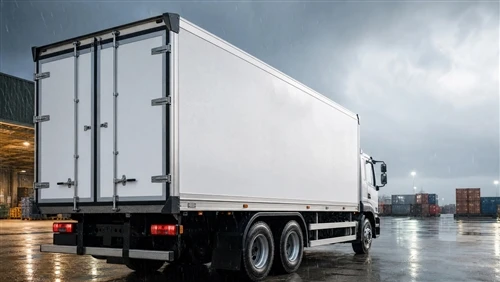
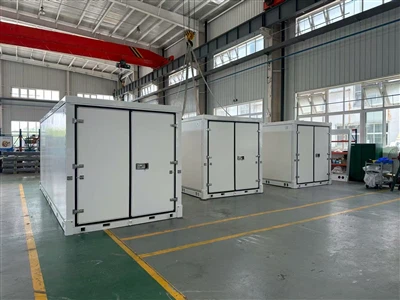
The honeycomb panel sector entered 2025 with a pronounced focus on lightweight performance, modular application, and diversified core/skin chemistries. Demand is strongest in commercial vehicles (truck and trailer bodies), refrigerated transport, modular buildings and portable-storage systems, with growing uptake in rail, marine and select architectural applications. This roundup surveys the best-selling honeycomb panel products of 2025 - grouped by technology family, typical constructions, and the use cases driving commercial traction - and explains why specific product variants from manufacturers such as HolyCore have become market leaders.
Executive summary - what made 2025 distinctive
• Thermoplastic-bonded panels (glass-fiber reinforced skins thermally fused to PP honeycomb cores) continued to gain share because they eliminate wet adhesive lines, shorten production cycle time and improve environmental performance in end-of-life scenarios. These thermoplastic sandwich systems (HolyPan® and equivalents) were particularly strong sellers for light-commercial vehicle and modular storage use cases.
• FRP-skinned honeycomb panels - face sheets of gelcoated or laminated FRP bonded to PP or foam cores - remained best sellers where corrosion resistance and paintable surfaces are required, notably in refrigerated truck body and trailer markets.
• Multi-core platforms (PP honeycomb combined with foam cores such as XPS or PU) expanded product portfolios to let buyers trade off thermal insulation vs. weight vs. strength, which explains why hybrid core offerings were among the top movers in 2025.
• Market growth remained steady across packaging and structural sandwich segments; honeycomb packaging and sandwich markets reported continued expansion in 2024–2025, supporting vendor product proliferation.
Thermoplastic glass-fibre reinforced PP honeycomb panels
Why they sell
• Outstanding strength-to-weight ratio - designers achieve substantial payload gains in vehicle bodywork without heavier steel or aluminum alternatives.
• Thermal fusion manufacturing eliminates liquid adhesives, improving consistency and recyclability for thermoplastic composites.
• Versatility of face finishes - glass-fiber reinforced skins accept textured, gelcoat, and decorative overlays.
HolyPan Light (PP honeycomb + thin glass-fibre skin) - optimized for portable storage boxes, modular containers and interior partitions. Extremely low areal weight, core diameters tuned for crush resistance.
HolyPan AR (automotive/van body grade) - thicker skins and higher core density for truck side panels and floor modules where higher localized loads and impact resistance are required. Typically supplied in widths up to ~2.8 m for large-format use.
Key adoption sectors
• Light commercial vehicles and cargo vans (payload optimization).
• Rapid-assembly modular containers used for mobile hospitals, retail pop-ups, and pop-up storage.
• Interior non-structural partitions for rail and marine applications.
Commercial differentiators to watch
• Vendors who vertically integrate both the thermoplastic honeycomb core and the glass-fiber skin (as HolyCore does) command price-performance advantages because they control fusion parameters and offer consistent panel flatness and bond integrity.
FRP-skinned honeycomb sandwich panels (FRP + PP/XPS/PU/foam)
Why they sell
• Proven, cost-effective construction; broad supply chain and long history across vehicle body and building markets.
• Strong corrosion resistance and broad compatibility with conventional adhesives and bonding methods.
• Easy to finish and repair on site - critical for refrigerated trucks and trailers.
Top commercial SKUs
FRP + PP honeycomb standard panels - the ubiquitous workhorse for truck and trailer sidewalls. Offered in multiple thicknesses (8–65 mm common) and surface treatments (gelcoat, matte finish). Typical cores: PP honeycomb or PET honeycomb depending on thermal and mechanical requirements. (Holycore)
FRP + Foam hybrid panels (XPS or PU foam core with honeycomb reinforcement) - targeted at refrigerated vehicle walls and cold-chain modular panels where thermal resistance (low U-value) is prioritized alongside reasonable structural rigidity.
Key adoption sectors
• Refrigerated transport and cold-chain enclosures (trucks, containers).
• Trailer and van conversions where field repairability and finishing are important.
• Architectural paneling for low-rise façades and sheltered canopies.
Commercial differentiators to watch
• Hybrid cores that combine PP honeycomb with XPS or PU foam enable tailored thermal and structural properties; these combos were among 2025's fastest-moving SKUs because they simplify bills of material for integrators.


Fiberglass / CFRT (thermoplastic composite) honeycomb panels
Why they sell
• Thermoplastic CFRT (continuous fiber reinforced thermoplastic) skins bonded to PP or thermoplastic cores deliver higher impact toughness and faster thermoforming capabilities than older thermoset FRP laminates. CFRT systems are increasingly chosen for applications requiring thermoformability and higher cyclic-load performance (rail interiors, specialty vehicle hubs).
Top commercial SKUs
CFRT + PP honeycomb panels - marketed for RV and high-end trailer applications where formability and repetitive load resistance are crucial.
Glass woven thermoplastic sandwiches (GWT) - mid-tier product bridging pure thermoplastic and conventional FRP systems; attractive where manufacturers need both toughness and a thermoplastic supply chain.
Key adoption sectors
• High-performance vehicle interiors and exterior body components.
• Applications that require thermoforming or continuous press fusion in panel manufacture.
Commercial differentiators to watch
• Thermoplastic CFRT panels often compete on lifecycle cost, ease of mechanical joining, and recyclability. Manufacturers that showcase lab data on dynamic fatigue and impact-along with formability examples-win specification deals in 2025.
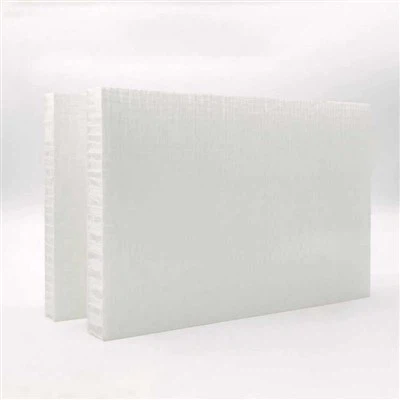
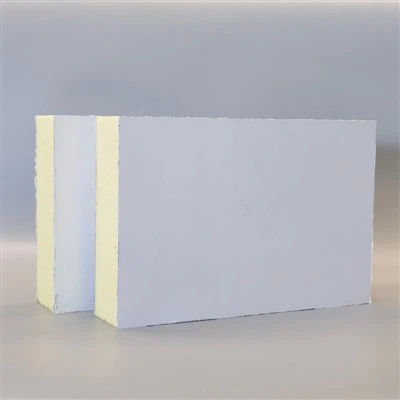
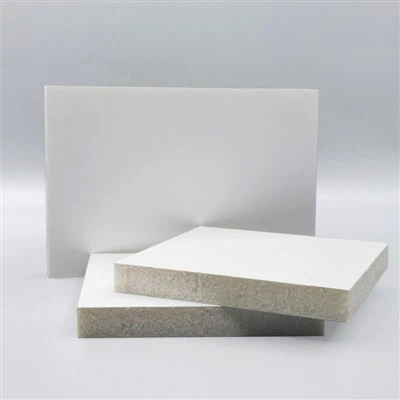
Application-driven product highlights
Truck & trailer body panels (largest volume buyers)
Best sellers combine FRP or glass-fibre thermoplastic skins with PP honeycomb cores. Buyers value:
• Lower tare weight → higher payload and fuel savings.
• Corrosion and moisture resistance → longer service life for refrigerated fleets.
• Modular repairability → reduced downtimes for transport operators.
HolyCore and similar Chinese producers, with vertically integrated capacity and modular manufacturing, captured large volumes in this segment in 2025.
Refrigerated container and cold-chain panels
Hybrid panels that integrate foam (XPS/PU) for insulation with honeycomb reinforcement for stiffness were top sellers. These products balance low thermal conductivity with the platoon-level robustness required by long-distance cold chain logistics.
Modular buildings, portable medical and storage containers
Thermoplastic HolyPan style panels dominated here: they are lightweight, fast to assemble, and well suited for transportable healthcare units and rapid-deploy retail or logistics storage containers. Production volumes for portable storage boxes made of reinforced PP honeycomb panels were frequently highlighted on supplier product pages in 2025.
Specialty transport: RV, rail interiors, marine
CFRT and thermoplastic face sheets with finely tuned core densities were best sellers where interior formability and passenger-facing aesthetics mattered.
Selection criteria that buyers relied on in 2025
When specifying panels in 2025, procurement and engineering teams commonly used the following selection matrix:
Areal density (kg/m²) - directly tied to payload and fuel efficiency.
Core type and cell size - dictates compressive strength, energy absorption and manufacturability. PP honeycomb had wide adoption for light structures, while aluminum honeycomb remained standard for high-temperature or fire-sensitive applications.
Facing material (FRP, CFRT,) - sets impact, surface finish and repair approach.
Thermal resistance (for refrigerated and building uses) - evaluated through combined core/foam builds.
Production method and supply chain transparency - thermoplastic fusion vs. adhesive bonding, factory capacity, width/length capabilities and certification. Vendors advertising broad manufacturing footprints and integrated core/skin production were favored.
Pricing and market outlook
Market research firms reported steady growth across honeycomb packaging and panel segments into 2025, with aluminum honeycomb and thermoplastic panel segments showing particularly robust demand due to aerospace, automotive lightweighting and sustainable packaging trends. Buyers in 2025 balanced unit material cost against lifecycle savings from weight reduction and longer service life; as a result, mid-tier thermoplastic sandwich panels achieved high adoption rates across transport and modular building channels.
Practical procurement tips for 2025 buyers
• Request full material datasheets - include core density, cell size, facing laminate construction, bond method, dimensional tolerances and certified test reports.
• Specify application load cases - many suppliers will recommend core density and skin lay-up when presented with intended load and service environment.
• Ask for sample coupons and jointing trials - verify how the panel accepts fasteners, adhesives and edge trims in your assembly process.
• Consider lifecycle: repairability and recycling - thermoplastic fusion panels often have an advantage for recyclability and thermal reprocessing over thermoset systems.
Conclusions
The best-selling honeycomb panel products of 2025 share several common attributes: they are application-driven, offer optimized tradeoffs between weight and stiffness, and are packaged with clear technical documentation to speed engineering approvals. Thermoplastic glass-fiber reinforced PP honeycomb panels and FRP-skinned PP/XPS/PU hybrid panels dominated sales across the highest-volume segments (truck bodies, refrigerated containers, portable modules). Aluminum honeycomb panels maintained leadership where metal performance or certified fire standards are required. Markets and asset owners who prioritized payload, rapid assembly and long in-service life propelled these product types to best-seller status in 2025.