Polypropylene (PP) honeycomb core materials have become increasingly valuable across multiple industries due to their exceptional combination of light weight, mechanical strength, moisture resistance, chemical stability, and cost-effective manufacturability. Designed in a characteristic hexagonal cell structure, PP honeycomb cores deliver high stiffness-to-weight ratios that outperform many traditional core materials in demanding structural and semi-structural applications. As manufacturing technologies evolve and thermoplastic composites gain global traction, PP honeycomb products-ranging from non-woven-laminated versions to open-cell PP honeycomb cores-have expanded into transportation, construction, marine, industrial, and renewable-energy sectors.
PP honeycomb cores can be used as stand-alone materials or integrated with various skin layers, such as thermoplastic composites, fiberglass reinforced plastics, aluminum sheets, plywood, or PVC-based laminates. These combinations form lightweight sandwich structures with high bending strength, impact resistance, fatigue durability, and environmental adaptability. As a result, the market continues to adopt PP honeycomb solutions where traditional plywood, foam cores, metal sheets, or denser polymer materials fall short.
Transportation Industry Applications
Automotive Interior and Exterior Panels
Automotive manufacturers have continuously sought ways to reduce vehicle weight to improve fuel efficiency, lower emissions, and enhance overall performance. PP honeycomb core materials are widely used in:
- Trunk floors
- Parcel shelves
- Door panel substrates
- Seat back supports
- Spare-wheel covers
- Load floors
- Interior partition boards
The honeycomb structure provides high compressive strength, enabling the panels to resist deformation under load while maintaining extremely low mass. Because PP is inherently recyclable and compatible with thermoplastic forming processes, it aligns with automotive sustainability and end-of-life recycling requirements.
The non-woven-laminated PP honeycomb variant is especially popular for interior components because the non-woven layers bond efficiently with adhesives, films, or decorative coverings. Meanwhile, open-cell PP honeycomb cores are often supplied to tier-one automotive molders to fabricate thermoformed panels that match precise vehicle contours.
Commercial Vehicle Flooring and Wall Panels
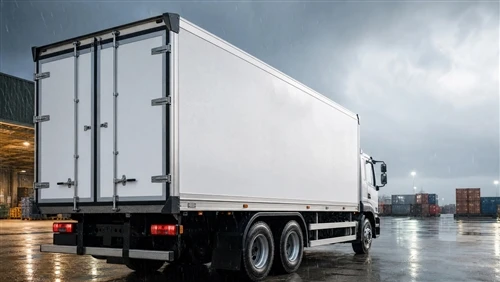
Buses, trucks, delivery vans, and refrigerated transport vehicles benefit significantly from PP honeycomb cores. Their applications include:
- Cargo box flooring
- Side walls and bulkheads
- Ceiling liners
- Cab partitions
- Insulated panels in temperature-controlled vehicles
Compared with plywood or metal sheets, PP honeycomb offers superior resistance to moisture, rot, and corrosion. Heavy-duty flooring systems integrate FRP or aluminum skins with PP cores to withstand high traffic, pallet impacts, and continuous load cycles. The lightweight nature of the panels directly contributes to increased payload capacity and improved fuel economy.
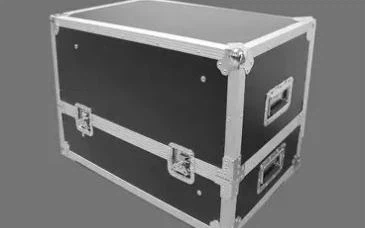
Honeycomb Panel Flight Case

Rooftop Tent

Car Trunk

Bus Floor
Aerospace and Aviation Sector
Although aerospace applications traditionally rely on high-performance aramid, aluminum, or Nomex honeycomb structures, PP honeycomb cores are increasingly utilized for non-structural and semi-structural components where cost, chemical resistance, and ease of production are prioritized.
Common aviation uses include:
- Cabin interior cladding
- Partition walls
- Overhead bin linings
- Galley equipment panels
- Cargo container walls
- Flooring substrates in non-critical areas
PP honeycomb cores meet stringent fire-resistance and smoke-density requirements when combined with appropriate skins and specialty formulations. Moreover, because PP honeycomb can be thermoformed, complex interior components can be manufactured with fewer joints and reduced assembly time.


Marine and Shipbuilding Applications
Marine manufacturers value PP honeycomb cores for their resistance to saltwater, humidity, UV exposure, and chemical corrosion. These properties, combined with buoyancy and structural strength, make PP honeycomb an ideal substitute for plywood or polyurethane foam in many maritime products.
Typical applications include:
- Boat decks
- Hull interior structures
- Cabin walls and ceilings
- Furniture panels for yachts and vessels
- Bulkheads and partitions
- Structural flooring systems
- Engine-room panels
Compared with traditional marine plywood, PP honeycomb reduces overall vessel weight and eliminates issues such as wood rot, delamination from moisture, and fungal growth. Integrating fiberglass skins with PP honeycomb creates strong and durable sandwich panels that withstand high mechanical stress and continuous water exposure.

Yacht fiberglass deck

Yacht fiberglass panels

Fiberglass sheets for ships
Construction and Architecture Applications
Interior Partition Panels
PP honeycomb cores are frequently chosen for interior walls and partitions in commercial buildings, office spaces, retail stores, and exhibition halls. Their advantages include:
Lightweight, reducing load on building structures
Easy to install, cut, and handle
Excellent flatness for laminating decorative materials
Sound-damping potential when combined with acoustic skins
Non-woven-laminated PP honeycomb is particularly suitable for lamination with decorative foils, HPL (High Pressure Laminate), PVC film, and aluminum sheets, making it adaptable for a wide range of architectural finishes.
Door Panels
Honeycomb cores have long been used inside door systems to maintain rigidity without excessive weight. PP honeycomb provides:
High bending stiffness
Moisture resistance superior to paper honeycomb
Long-term durability
Enhanced stability for large-format or sliding doors
Both interior and exterior door manufacturers use PP honeycomb to prevent warping while achieving predictable structural performance.
Temporary and Modular Buildings
Portable cabins, site offices, exhibition booths, and modular construction systems increasingly rely on PP honeycomb panels for wall, ceiling, and floor components. The materials offer:
Quick assembly
Resistance to harsh outdoor environments
Reusability
Transport efficiency due to low mass
In modular systems where components must be regularly moved or reconfigured, lightweight PP honeycomb cores reduce handling time and cost.
Industrial and Manufacturing Applications
Machine Covers and Equipment Casings
Industrial equipment often requires protective covers or shells that are strong yet easy to move. PP honeycomb cores laminated with fiberglass or thermoplastic sheets provide:
Structural stability for large panel formats
Chemical and acid resistance
Noise-reduction capabilities
Wash-down compatibility for food and pharmaceutical plants
These panels can be machined or thermoformed to precise shapes, supporting efficient industrial manufacturing.
Clean-Room and Laboratory Panels
In clean-room environments, panel materials must be non-fibrous, easy to sterilize, and resistant to chemical cleaning agents. PP honeycomb cores meet these requirements, supporting applications such as:
Ceiling tiles
Wall claddings
Access panels
Partition systems
When combined with aluminum skins or FRP surfaces, PP honeycomb panels offer low particle emission and high durability.
Industrial Packaging and Protective Containers
Reusable transport packaging increasingly integrates PP honeycomb cores due to their impact resistance and shock absorption. Examples include:
Tooling boxes
Protective crates
Large industrial shipping containers
Reusable pallet decks
These packaging solutions are lighter than traditional plywood containers, easier to clean, and resistant to oils, fuels, and industrial solvents.
Renewable Energy and Environmental Applications
Solar Panel Backing Boards and Mounting Structures
In solar energy systems, lightweight and weather-resistant materials are preferred to support panel installations. PP honeycomb cores serve as substrates or protective components in:
Solar panel backing sheets
Lightweight mounting boards
Structural components for solar farms
The material's resistance to UV radiation and moisture supports long-term outdoor usage.
Environmental Protection Barriers
PP honeycomb cores are used for environmental equipment such as:
Noise-control barriers
Water-treatment equipment panels
Air-filtration housings
These applications leverage the core's chemical resistance and ability to integrate with composite skins for enhanced mechanical performance.
Sports, Recreation, and Specialty Equipment
Lightweight Sports Equipment
The combination of low weight and high stiffness makes PP honeycomb an attractive core for sports products, including:
Surfboards
Canoe and kayak components
Sports flooring substrates
Portable sport equipment cases
When reinforced with fiberglass skins, PP honeycomb delivers strength without significant weight gain, improving user performance and product portability.
Event and Exhibition Staging Systems
Temporary stages, display stands, advertisement panels, and portable booth structures rely on PP honeycomb for:
Easy transportation
Fast on-site assembly
Reusable long-life performance
High stiffness to support equipment or displays
The non-woven-coated version is highly suitable for printing and lamination, making it popular in event branding applications.
Furniture Manufacturing Applications
Lightweight Furniture Panels
Modern furniture design prioritizes minimalism, aesthetics, and ease of handling. PP honeycomb cores enable manufacturers to produce:
Lightweight tabletops
Shelving systems
Cabinet walls and doors
Office workstations
Large decorative panels
These furniture components maintain rigidity even in thin panel formats, reducing the risk of bending or sagging over time.
RV and Caravan Furniture
Recreational vehicles require interior structures that reduce total vehicle weight while offering durability. PP honeycomb cores are commonly used for:
RV furniture framing
Wall panels
Bed boards
Cabinets and storage doors
Ceiling panels
Their moisture resistance prevents deformation in humid environments, and their lightweight nature improves fuel efficiency for the vehicle.
Advertising and Display Applications
PP honeycomb panels are widely adopted in the advertising and printing industries, especially where large-format but lightweight displays are necessary.
Applications include:
Sign boards
Indoor and outdoor display panels
Backdrops and exhibition walls
Digital printing substrates
Retail display structures
The surfaces can be laminated with films, printed directly, or combined with aluminum or plastic skins, providing excellent flatness for high-resolution graphics.
Cold Chain and Refrigeration Systems
Because PP honeycomb cores do not absorb moisture and resist mold growth, they are used in:
Cold-room walls
Refrigeration truck panels
Insulated container partitions
Food-processing facility walls
When laminated with FRP or stainless steel, they form hygienic surfaces suitable for strict food-safety environments. Their thermal stability and corrosion resistance support decades of performance without degradation.