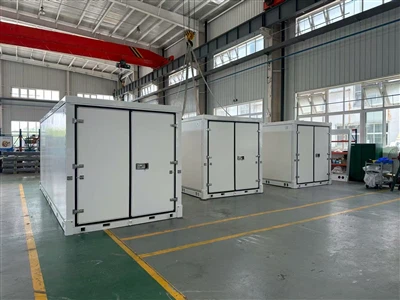
Heavy vehicle bodies can significantly limit performance, increasing fuel consumption, reducing payload capacity, and accelerating wear on key components. As transportation demands grow, relying on traditional heavy materials is becoming less efficient and more costly. This is where honeycomb panel upgrades offer a smarter solution.
By replacing solid structures with a lightweight cellular design, these panels maintain high strength while dramatically reducing overall weight. The result is improved fuel efficiency, better load capacity, and enhanced durability under real-world operating conditions. For manufacturers and fleet operators looking to optimize performance and reduce long-term costs, upgrading to honeycomb panels is a practical and future-focused choice.
About Our Company
- Holycore is a professional manufacturer focused on advanced lightweight composite panel solutions for transportation and industrial applications. With strong expertise in honeycomb core technology and sandwich panel engineering, the company provides high-performance materials designed to improve vehicle efficiency, durability, and overall structural performance.
- Its product range includes aluminum honeycomb panels, thermoplastic honeycomb cores, and customized composite structures tailored for truck bodies, trailers, and specialized vehicles. By combining innovative design with reliable manufacturing, Holycore helps customers reduce vehicle weight, increase payload capacity, and lower long-term operating costs.
Introduction: The Hidden Cost of Heavy Vehicle Bodies
Heavy vehicle bodies may seem strong and reliable, but they often create hidden costs in daily operations. Increased weight leads to higher fuel or energy consumption, directly raising operating expenses over time. At the same time, it reduces available payload capacity, limiting how much cargo can be transported within legal weight limits.
In addition, heavier structures put more stress on key components such as tires, suspension, and braking systems, resulting in faster wear and more frequent maintenance. They can also negatively affect handling and overall efficiency. As transportation demands continue to grow, these limitations make traditional heavy materials less practical, pushing the industry toward lighter and more efficient solutions.
Why Traditional Materials Are Holding You Back
Conventional vehicle body materials rely heavily on mass to achieve strength. While effective in the past, this approach creates several challenges in modern transport systems:
- Higher fuel or energy consumption due to increased weight
- Reduced cargo capacity within legal limits
- Greater mechanical stress on vehicle components
- More frequent maintenance and shorter service life
These limitations make it increasingly difficult for fleet operators to stay competitive in a cost-sensitive market.
The Honeycomb Panel Upgrade: A Smarter Alternative
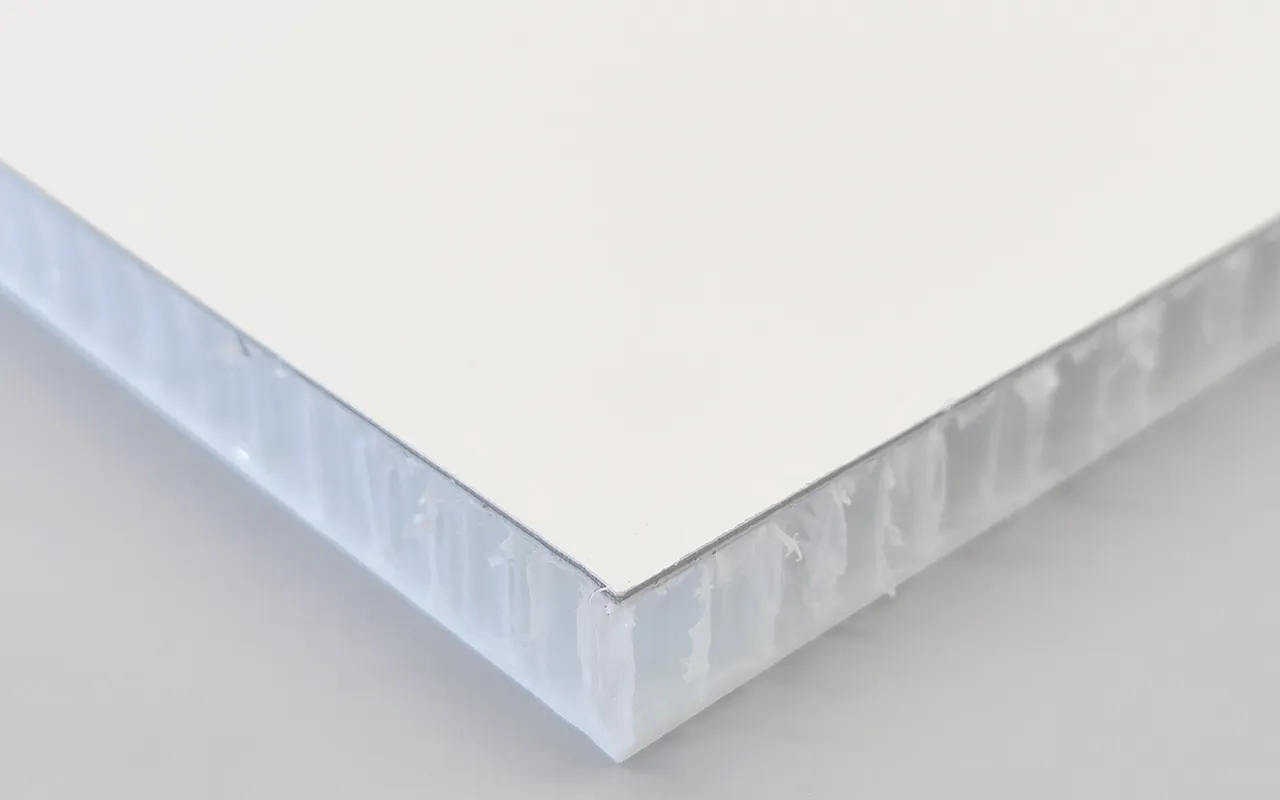
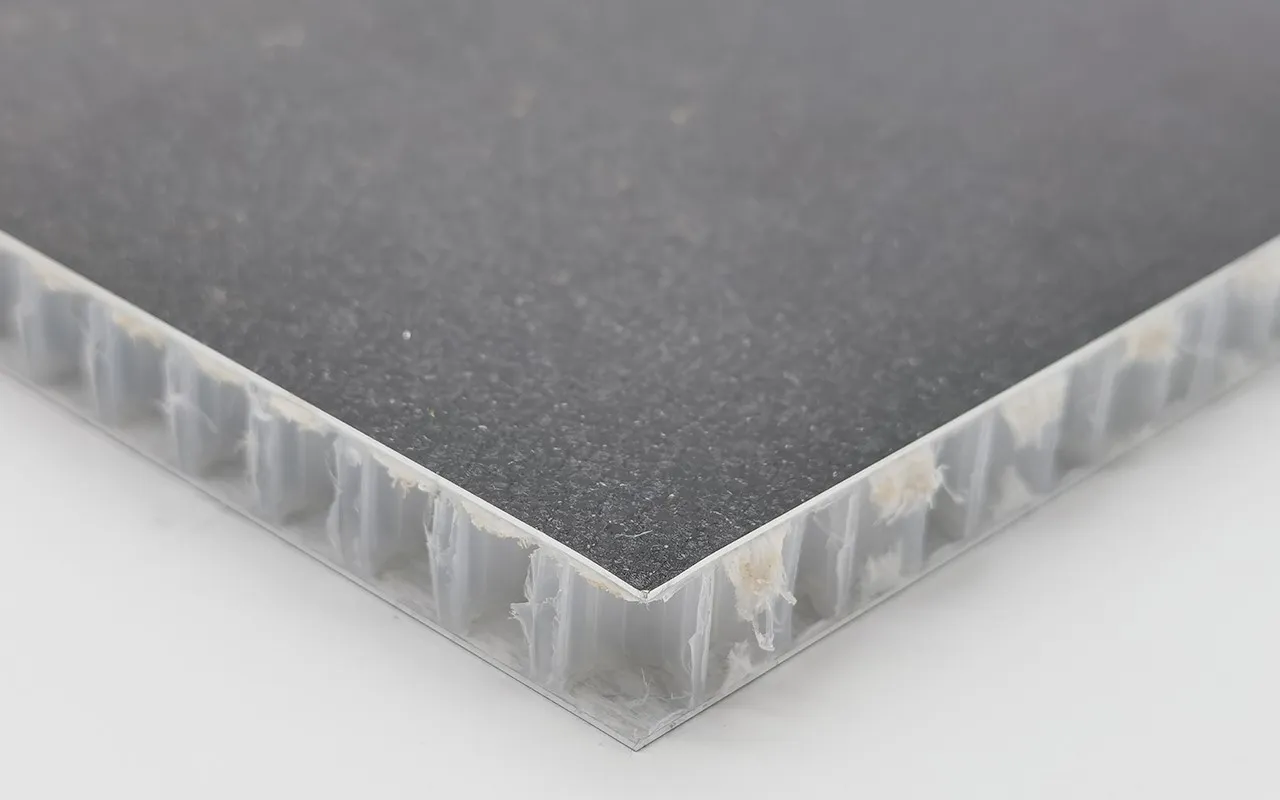
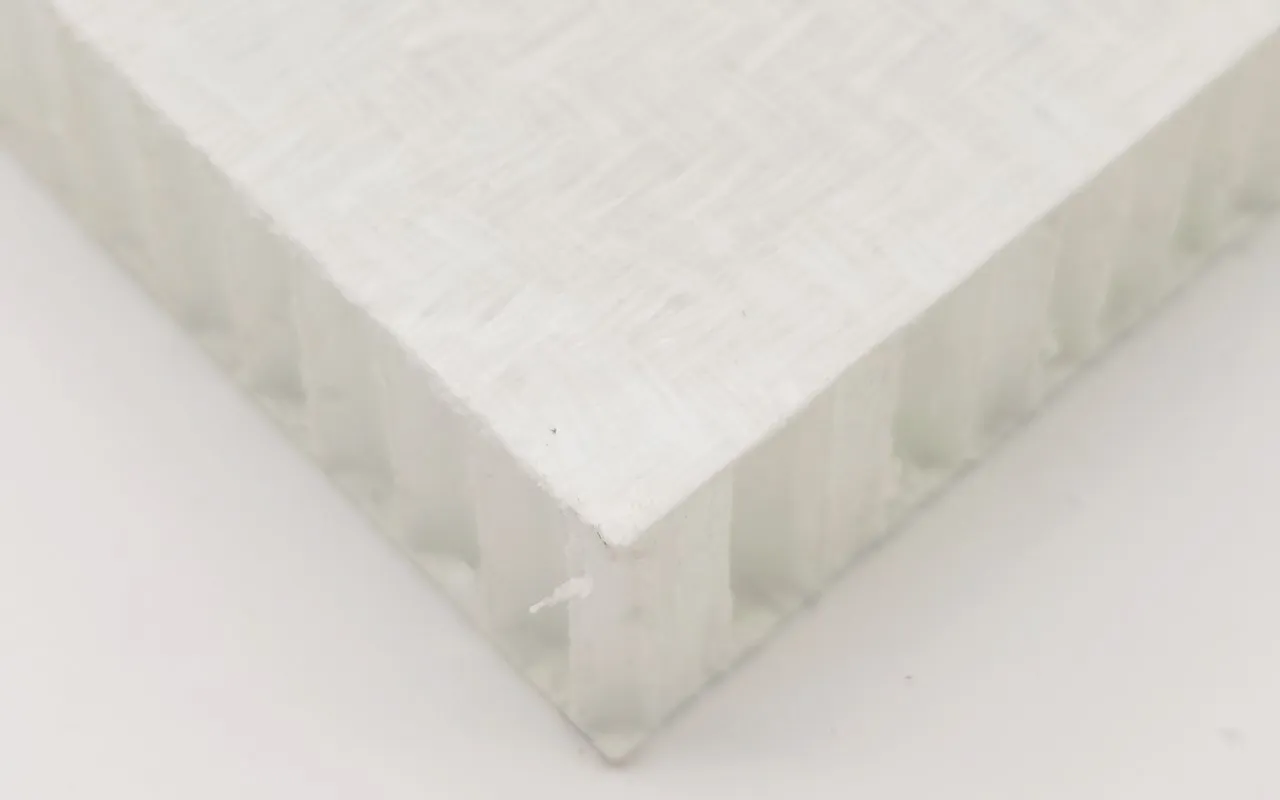
Honeycomb panels represent a shift from mass-based strength to efficiency-based engineering. Instead of using solid material throughout, they rely on a cellular core structure that distributes loads effectively while minimizing weight.
This design allows the panel to maintain high stiffness and strength while using significantly less material.
The result is a structural solution that performs better while weighing far less than traditional alternatives.

Lightweight Design That Transforms Vehicle Performance
Reducing vehicle weight has a direct and measurable impact on performance. Honeycomb panels enable:
- Improved fuel efficiency or extended EV range
- Higher payload capacity per trip
- Easier handling and improved vehicle dynamics
For commercial fleets, these advantages translate into increased profitability and better operational efficiency.
Superior Load Distribution for Real-World Conditions
Vehicle bodies are constantly exposed to uneven loads, impacts, and vibrations. Honeycomb panels address these challenges through their unique geometry.
Their internal structure spreads concentrated forces across a wider area, reducing stress points and minimizing the risk of damage.
This makes them particularly effective for:
- Truck floors under heavy pallet loads
- Sidewalls impacted by shifting cargo
- High-wear zones exposed to repeated stress
Built for Durability in Demanding Environments
Transport vehicles operate in harsh conditions, including moisture, temperature fluctuations, and continuous vibration. Honeycomb panels are engineered to handle these environments with:
- High resistance to fatigue and long-term wear
- Corrosion-resistant materials for outdoor use
- Stable performance under dynamic loading conditions
This durability reduces maintenance requirements and extends the lifespan of vehicle structures.
More Than Just Lightweight: System-Level Benefits
The advantages of honeycomb panels go beyond weight reduction. Their impact can be seen across the entire vehicle system:
- Lower energy consumption over time
- Reduced strain on mechanical components
- Improved structural consistency in large panels
- Greater design flexibility for modern vehicle builds
In many cases, these system-level improvements deliver more value than the initial material savings alone.
Applications Across Transport Equipment
Honeycomb panel upgrades are widely used in:
- Truck bodies and trailers
- Refrigerated transport units
- Cargo containers and modular transport systems
- Specialized vehicles and mobile equipment
Their versatility allows manufacturers to optimize different vehicle types without compromising performance.


The Future of Vehicle Body Design
The future of vehicle body design is moving toward lighter, stronger, and more efficient structures. Advanced materials such as composite and honeycomb panels are replacing traditional heavy materials, helping improve fuel efficiency and extend EV range while maintaining strength.
At the same time, designs are becoming more integrated, with single panels combining structural support, insulation, and durability. This reduces manufacturing complexity and overall weight. As sustainability and performance requirements continue to rise, lightweight and multifunctional solutions will become the new standard in vehicle design.
Conclusion
If heavy vehicle bodies are limiting your efficiency and increasing your operating costs, upgrading to honeycomb panels offers a practical and proven solution.
By combining lightweight design with high strength, durability, and advanced load distribution, these panels help transform vehicle performance from the ground up. For manufacturers and fleet operators alike, this upgrade represents a smarter, more future-ready approach to modern transportation.
Looking for High-Performance Honeycomb Core Materials?
Partner with Holycore to get lightweight, durable, and customizable honeycomb solutions tailored to your industry needs. Improve efficiency, reduce weight, and enhance structural performance today.
Get a Free Quote