In modern industrial manufacturing and construction projects, reducing structural weight while maintaining strength, durability, and functional performance has become an important engineering objective. Lightweight panels are increasingly selected as alternatives to traditional solid materials because they can reduce overall system weight, simplify installation, and improve transportation efficiency without sacrificing structural requirements.
For OEM manufacturers, architects, contractors, and equipment developers, lightweight panels are not simply a material choice. They are part of a complete project solution that involves engineering design, material selection, manufacturing processes, quality control, and final delivery.
A successful lightweight panel project requires cooperation between the customer and supplier from the early design stage to final installation. Understanding each step of the process helps buyers select suitable panel structures, avoid unnecessary modifications, and achieve better project outcomes.
This article explains how lightweight panel solutions are developed from initial design concepts to final delivery.
What Are Lightweight Panels?
Lightweight panels are engineered composite structures designed to provide functional strength with reduced weight compared with traditional solid materials.
Unlike conventional metal plates, concrete panels, or thick solid boards, lightweight panels typically use a layered structure consisting of:
Surface skins: Provide external protection, appearance, and mechanical resistance.
Core materials: Reduce weight while increasing bending stiffness.
Bonding layers: Connect different materials into a unified structure.
Common lightweight panel structures include:
Aluminum honeycomb panels
Composite sandwich panels
Foam core panels
Fiberglass reinforced panels
Polypropylene honeycomb panels
The core design creates internal support while minimizing unnecessary material usage. This structure allows panels to achieve better strength-to-weight ratios for applications where weight control is critical.
Stage 1: Understanding Project Requirements
Every lightweight panel project begins with understanding the customer's actual application requirements.
A supplier must first identify how the panel will be used, because different applications require different material combinations and structural designs.
Key project information includes:
Application Environment
The working environment directly affects material selection.
Important factors include:
Indoor or outdoor installation
Temperature range
Humidity exposure
Chemical contact
UV exposure
Mechanical impact conditions
For example, panels used in marine environments require different corrosion resistance compared with panels installed inside industrial equipment.
Structural Requirements
Lightweight does not mean reducing strength requirements.
Engineers need to evaluate:
Required load capacity
Bending resistance
Impact resistance
Vibration conditions
Panel span distance
Installation method
A lightweight equipment cover and a structural floor panel may have completely different design requirements.
Appearance Requirements
Some projects require functional performance together with specific visual standards.
Customers may specify:
Surface color
Texture
Coating type
Flatness requirements
Decorative finishing
Architectural projects and transportation interiors often require precise appearance control.
Stage 2: Engineering Design and Material Selection
After understanding project requirements, engineers develop the appropriate lightweight panel structure.
The design process usually involves selecting:
Face sheet materials
Core materials
Panel thickness
Bonding method
Edge finishing
Additional reinforcement structures
Selecting the Right Core Material
The core material plays a major role in determining panel performance.
Aluminum Honeycomb Core
Aluminum honeycomb cores are widely used when projects require:
High stiffness
Low weight
Structural stability
Long service life
The hexagonal cell structure distributes loads across the panel surface, improving resistance to bending forces.
Typical applications include:
Transportation components
Industrial equipment panels
Architectural systems
Aerospace-related structures
Foam Core
Foam cores provide lightweight insulation and impact absorption.
They are often selected for applications requiring:
Thermal insulation
Noise reduction
Moisture resistance
Common applications include:
Building panels
Refrigerated equipment
Interior structures
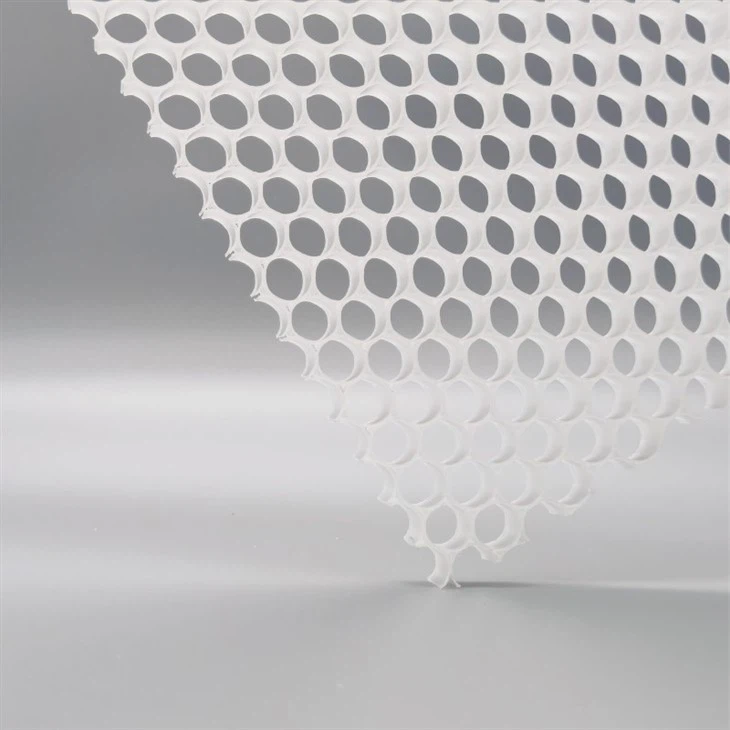
Polypropylene Honeycomb Core
Polypropylene cores provide moisture resistance and chemical stability.
They are suitable for:
Automotive components
Marine equipment
Outdoor structures
Material selection depends on the balance between performance requirements and project cost targets.
Stage 3: Prototype Development and Testing
For customized projects, prototype development is an important step before mass production.
A prototype allows engineers and customers to verify:
Panel dimensions
Assembly compatibility
Structural performance
Surface appearance
Installation process
During prototype testing, manufacturers may evaluate:
Mechanical Performance
Testing may include:
Compression strength testing
Bending tests
Impact resistance evaluation
These tests confirm whether the panel meets the expected working conditions.
Environmental Performance
Depending on the application, panels may be tested under:
Temperature changes
Moisture exposure
Corrosion conditions
This ensures the selected material combination can withstand the actual operating environment.
Stage 4: Customized Manufacturing Process
Once the design is confirmed, the project moves into production.
A professional lightweight panel manufacturing process usually includes several steps.
Material Preparation
Raw materials are inspected before production.
This includes checking:
Core thickness
Surface sheet quality
Material specifications
Dimensional accuracy
Proper material control helps maintain consistency during manufacturing.
Cutting and Processing
Panels are processed according to project drawings.
Common operations include:
CNC cutting
Edge trimming
Drilling
Slot processing
Embedded component installation
Customized processing allows panels to fit directly into the customer's final assembly system.
Bonding and Pressing
The bonding process determines the connection between the core and surface layers.
Manufacturers control:
Adhesive distribution
Pressing pressure
Temperature conditions
Curing time
A stable bonding process prevents issues such as layer separation during long-term use.
Surface Finishing
Depending on the application, lightweight panels can receive different surface treatments.
Options may include:
Powder coating
Painting
Laminating
Protective films
Decorative finishes
Surface treatment improves appearance and protects the panel from environmental exposure.
Stage 5: Quality Inspection Before Delivery
Before shipment, lightweight panels should undergo inspection to ensure they meet project specifications.
Typical quality checks include:
Dimensional Inspection
Manufacturers verify:
Length and width accuracy
Panel thickness
Flatness
Edge processing quality
Accurate dimensions reduce installation problems at the customer site.
Structural Inspection
Depending on requirements, inspection may include:
Bonding strength testing
Surface inspection
Load testing
These checks ensure the panels match the approved design.
Packaging Inspection
Because lightweight panels may have large surface areas, proper packaging is important.
Packaging methods may include:
Protective films
Edge protection
Customized pallets
Moisture protection
Correct packaging reduces damage during transportation.
Stage 6: Delivery and Project Support
Delivery is not simply the final shipping step. For OEM projects, logistics coordination is an important part of the overall solution.
A professional supplier should support customers with:
Production schedule confirmation
Shipping arrangement
Installation guidance
Technical documentation
For international projects, suppliers also need to consider:
Export packaging requirements
Container loading efficiency
Transportation conditions
Proper delivery planning helps customers integrate lightweight panels into their production or construction schedule.
Applications of Lightweight Panel Solutions
Lightweight panels are used across multiple industries because of their combination of reduced weight and structural performance.
Transportation Industry
Weight reduction directly affects transportation efficiency.
Applications include:
Vehicle interior panels
Train flooring systems
Truck body structures
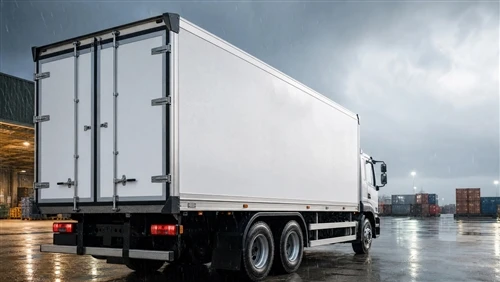
Lightweight doors
Manufacturers use lightweight panels to reduce overall vehicle weight while maintaining required strength.
Industrial Equipment Manufacturing
Industrial equipment manufacturers use lightweight panels for:
Machine covers
Equipment enclosures
Protective partitions
Control cabinets
The reduced weight simplifies handling, installation, and maintenance.
Construction and Architecture
In building projects, lightweight panels help reduce structural loads.
Applications include:
Curtain walls
Interior partitions
Ceiling systems
Decorative facades
Composite panel structures provide flexibility for modern architectural designs.
Cleanroom and Laboratory Applications
Clean environments require panels with:
Smooth surfaces
Easy cleaning characteristics
Stable dimensions
Lightweight panels are commonly used in:
Laboratory walls
Medical facilities
Industrial cleanrooms
Why OEM Customers Choose Customized Lightweight Panels
For OEM buyers, customized lightweight panels provide several practical advantages.
Better Product Integration
Customized dimensions and processing allow panels to fit directly into the customer's product design.
This reduces:
Additional machining
Assembly adjustments
Installation time
Improved Weight Control
Reducing unnecessary structural weight can improve:
Transportation efficiency
Equipment mobility
Installation convenience
Flexible Design Options
OEM customers can customize:
Panel thickness
Core materials
Surface finishes
Processing methods
This flexibility allows manufacturers to develop products for different industries and applications.
How to Select a Lightweight Panel Supplier
Before choosing a supplier, OEM buyers should evaluate several factors.
Engineering Capability
The supplier should understand:
Composite structures
Material performance
Application requirements
Manufacturing limitations
Technical communication during the design stage helps avoid incorrect material selection.
Manufacturing Capability
Important considerations include:
Production equipment
Processing accuracy
Quality control procedures
Production capacity
These factors directly affect delivery consistency.
Customization Experience
A supplier with OEM project experience can better handle:
Custom drawings
Prototype development
Special processing requirements
Batch production
Conclusion
Lightweight panel solutions involve much more than selecting a lightweight material. A successful project requires a complete process covering engineering analysis, material selection, prototype verification, customized manufacturing, quality inspection, and delivery management.
From the first design discussion to final shipment, every stage affects the performance and reliability of the finished product.
For OEM manufacturers and project developers, working with a supplier capable of providing customized lightweight panel solutions can help achieve better structural efficiency, simplified production processes, and more reliable project execution.