Weight Reduction Without Losing Panel Stiffness
Marine vessels, railway carriages, buses, and truck bodies all contain large-area floor, wall, ceiling, and partition structures. When these components are manufactured from plywood, solid fiberglass laminate, or steel sheet, panel weight increases rapidly as thickness increases.
A composite honeycomb panel uses a sandwich structure instead of a solid structure. Thin face sheets carry tensile and compressive loads, while the honeycomb core separates the skins and transfers shear loads through the panel thickness. This arrangement increases bending stiffness without requiring a solid core.
For example, a 20 mm honeycomb sandwich panel can achieve significantly higher flexural stiffness than a solid laminate of similar weight because the load-bearing skins are positioned farther apart from the neutral axis.
How a Honeycomb Sandwich Panel Works
A composite honeycomb panel consists of three structural layers:
- Top face sheet
- Honeycomb core
- Bottom face sheet
When the panel experiences bending loads, the upper skin enters compression while the lower skin enters tension. The honeycomb core prevents the skins from moving toward each other and transfers shear forces between them.
Unlike foam cores that rely on continuous material volume, a honeycomb core uses a cellular structure formed by interconnected hexagonal cells. The empty cells reduce material consumption while maintaining panel thickness.
This load-transfer mechanism allows the panel to support distributed loads across floors, bulkheads, and interior structures while reducing overall mass.

Core Materials Used in Marine and Transportation Panels
Different operating environments require different honeycomb core materials.
Polypropylene (PP) Honeycomb
PP honeycomb cores are produced from thermoplastic polypropylene sheets welded into a cellular structure.
The material does not absorb water and is commonly used in ferry interiors, vehicle floors, caravan panels, and truck body structures where moisture exposure is expected.
Aluminum Honeycomb
Aluminum honeycomb is manufactured from thin aluminum foil bonded into hexagonal cells.
The metallic core provides higher compressive strength and is often integrated into train interiors, marine furniture, equipment housings, and structural partitions where higher point-load resistance is required.
Aramid Honeycomb
Aramid honeycomb is produced from phenolic resin impregnated aramid paper.
The material is frequently specified for aerospace and high-performance transportation systems where weight reduction requirements are more stringent than those found in commercial vehicle applications.
Marine Operating Conditions
Marine structures are exposed to salt spray, humidity cycling, and repeated vibration from engines and wave impacts.
In these environments, panel failure typically occurs through
Skin-to-core delamination
Water ingress through damaged edges
Core crushing under concentrated loads
Fastener pull-out around mounting locations
To reduce these risks, honeycomb panels are usually installed with sealed edges, reinforced inserts, and bonded attachment points. Areas supporting equipment loads often receive local density reinforcement or embedded inserts to distribute concentrated forces into the panel structure.
Transportation Applications
In transportation systems, honeycomb panels are typically integrated into non-primary structural assemblies.
Common examples include:
Railway Interiors
Panels are cut, machined, and bonded into floor systems, luggage racks, ceiling modules, and wall partitions. Lower component weight reduces the total mass of each carriage and decreases energy consumption during acceleration.
Truck and Trailer Bodies
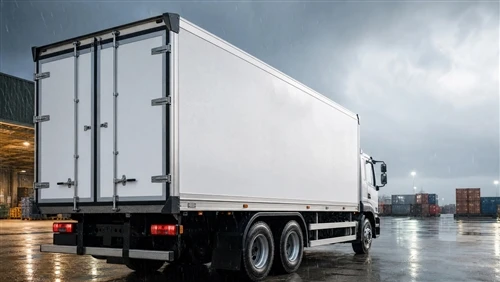
Honeycomb panels replace plywood and steel sheets in side walls, roofs, and floor assemblies. The reduction in structural weight increases available payload capacity while maintaining panel thickness.
Bus and Coach Interiors
Manufacturers install sandwich panels in floor platforms, ceiling modules, service panels, and interior partitions. The cellular core helps maintain panel rigidity across large unsupported spans.
Installation Considerations
Honeycomb panels cannot be installed in the same manner as solid boards.
Mechanical fasteners require reinforcement because the cellular core provides limited pull-out resistance. Common installation methods include:
- Structural adhesive bonding
- Embedded aluminum inserts
- Edge frame reinforcement
- Through-bolted mounting points
When openings for windows, hatches, or equipment are machined into the panel, exposed core cells are typically sealed to prevent moisture penetration and contamination.

Material Selection Depends on Load Case
No single honeycomb panel configuration is suitable for all marine and transportation applications.
Panel selection is usually determined by:
- Span length
- Design load
- Impact requirements
- Fire performance requirements
- Moisture exposure conditions
- Attachment method
A ferry ceiling panel, for example, may prioritize low weight and corrosion resistance, while a trailer floor panel may require higher compressive strength and abrasion resistance.
Understanding the load path, operating environment, and connection method is therefore essential before selecting the honeycomb core material and skin configuration.
HolyCore Honeycomb Core Solutions
HolyCore manufactures honeycomb core materials used in composite sandwich structures for transportation and marine applications. Core configurations can be selected according to panel thickness, cell size, skin material, and load requirements.
The honeycomb core functions as the shear-transfer layer inside the sandwich structure, allowing composite panels to maintain thickness while reducing material mass. Depending on the application, the core can be integrated with fiberglass, aluminum, thermoplastic, or other facing materials to form finished structural panels.