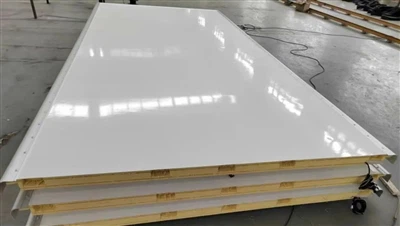
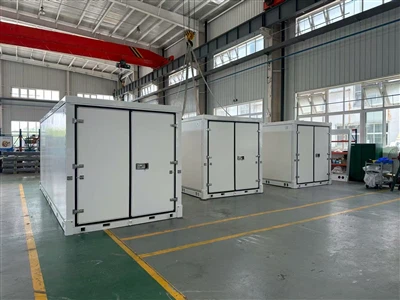
Industrial infrastructure, cold chain vehicles, chemical plants, food processing workshops, and coastal logistics facilities rely heavily on translucent and structural panel materials. Compare FRP and PC sheets to make the right engineering choice for harsh operational conditions.
Request Free Industrial Panel SamplesCurrent Industrial Material Upgrade Trend for Translucent Structural Panels
Global industrial sectors are raising stricter standards for building and vehicle panel performance, driven by ESG sustainability rules, food & pharmaceutical hygiene codes, and carbon reduction targets. Conventional polycarbonate sheets cannot stand up to the extreme environments found in chemical manufacturing, seafood cold chain transport, and coastal industrial zones.
The Solution: HolyCore Custom Industrial Fiberglass Composite Sheets
Industrial fiberglass composite sheets eliminate persistent flaws by integrating a dense gel coat barrier, continuous glass fiber reinforcement, and chemically resistant resin matrix. This composite construction delivers stable performance across extreme temperature shifts, corrosive chemical exposure, and continuous high humidity, establishing fiberglass as the preferred panel material for heavy-duty industrial facilities.
Fundamental Structural Differences
Raw material composition and structural makeup dictate long-term durability in factory working conditions.
HolyCore fiberglass sheets adopt a three-layer integrated composite manufacturing process:
- Outermost Layer: Dense, weather-resistant gel coat formulated with UV stabilizers and anti-corrosion additives that forms a fully sealed, non-porous barrier.
- Middle Reinforcement: Continuous woven glass fiber strands that deliver consistent tensile and bending rigidity across the entire panel.
- Inner Matrix: Saturated resin matrix bonding all layers to eliminate internal stress, preventing bubbling or delamination during freeze-thaw cycles.
Standard polycarbonate sheets are single-layer homogeneous thermoplastics extruded from pure PC resin:
- Exterior Coating: Thin, fragile UV protective film applied to the surface with no additional chemical blocking layer.
- Internal Matrix: No fiber reinforcement framework inside the plastic body, resulting in limited structural rigidity.
- Stress Vulnerability: Abrasion reveals the unprotected resin core, allowing internal molecular stress to build up over temperature alternations and cause panel failure.
Core Performance Distinctions in Harsh Industrial Working Conditions
Evaluating long-term operational performance under extreme factory hazards.
Chemical and Corrosion Resistance
HolyCore fiberglass sheets feature an impenetrable gel coat outer layer that blocks contact with acid, alkali, ammonia gas, seafood brine, and industrial sanitizers without blistering or splitting. Polycarbonate lacks this shell; once its thin UV coating wears off, corrosive fumes trigger irreversible degradation requiring replacement.
Long-Term Outdoor UV and Salt Fog Stability
High-concentration UV absorbents embedded directly in HolyCore's gel coat prevent fading and yellowing for over a decade under sunlight and coastal salt fog. Polycarbonate's thin surface UV layer rubs off after short-term weathering, leaving the transparent core discolored and structurally weakened.
Low-Temperature Cold Chain Adaptability
Fiberglass composite material maintains consistent toughness at temperatures down to -30°C without crack risks during freeze-thaw cycles. Polycarbonate flexibility drops sharply below -10°C; minor knocks during cargo handling will tear the panel and break compartment insulation seals.
Hygiene and Anti-Mold Surface Properties
The non-porous gel coat surface of fiberglass leaves no mildew buildup after high-pressure washing, fully complying with LFGB food contact standards. Polycarbonate's surface indentations hold condensed moisture and organic waste, fostering bacterial growth that fails hygiene audits.
Scratch, Impact Resistance & Lifecycle Costs
Thick gel coat reinforcement shields fiberglass from scratches during routine cleaning, and its glass fiber skeleton resists dents from heavy equipment. While carrying a slightly higher upfront price, fiberglass's 10–15 year service life with zero recoating lowers long-term expenditures compared to PC panels requiring frequent replacement.
Matching Industrial Use Cases
Selecting the appropriate material for specific operational scenarios.
- Chemical factory wall cladding, skylights, and partitions exposed to acid/alkaline gas.
- Refrigerated vehicle compartment linings for seafood, meat, and pharmaceutical cold chains.
- Coastal logistics facilities, port warehouses, and marine workshop roofs enduring salt fog.
- Food processing plants and livestock farms requiring strict anti-mold hygiene standards.
- Heavy-duty industrial facilities targeting 10–15 year minimal maintenance cycles.
- Temporary indoor factory skylights operating under mild, dry conditions.
- Budget-limited temporary workshop awnings without chemical exposure.
- Indoor commercial atrium ceilings and office light covers with no corrosive hazards.
- Light-load temporary protective shields with minimal collision risk.
- Projects with planned service life targets under 3 years.
Step-by-Step Material Selection Checklist for Industrial Buyers
A quick reference decision framework for engineering procurement.
- Exposed to acid, alkali, brine, or ammonia media.
- Permanent outdoor installation under strong sunlight/salt fog.
- Cold chain or low-temp warehouses reaching -30°C.
- Food-grade anti-mold hygiene compliance is mandatory.
- Long service life and low operational costs are prioritized.
- Deployed strictly indoors without damp or chemical exposure.
- Operating under tight short-term budgets (<3 years).
- No anti-corrosion or food hygiene certifications required.
- Low-load temporary installation with rare collision incidents.
HolyCore Custom Industrial Fiberglass Sheet Product Series
Engineered solutions tailored to distinct industrial hazards (Available at HolyCore.com).
Customer Technical Questions
Answers to key questions regarding fiberglass implementation and compliance.
Can fiberglass sheets fully replace polycarbonate in harsh industrial facilities?
Yes. Fiberglass eliminates major PC limitations including chemical erosion, UV yellowing, low-temperature brittleness, and mold contamination. Polycarbonate is generally viable only for short-term, mild indoor structures.
Does fiberglass sheet add extra weight to industrial vehicle compartments?
HolyCore designs thin-gauge customized fiberglass variants that match polycarbonate's overall weight while delivering superior structural rigidity, preserving vehicle payload capacities.
Can HolyCore adjust transparency, color, and thickness of industrial fiberglass panels?
We offer fully customized specifications including light transmittance gradients, surface colors, panel thickness, and targeted anti-corrosion gel coat formulas aligned with architectural or equipment drawings.
Are HolyCore fiberglass panels compliant with global food safety regulations?
Our food-grade fiberglass series uses non-toxic resin and gel coat raw materials that pass LFGB food contact testing. The smooth, non-absorbent surface satisfies international food facility standards.
What regular maintenance is required for fiberglass compared to polycarbonate?
Fiberglass panels only require routine water rinsing for surface dirt with no anti-UV recoating needed. Polycarbonate structures require professional recoating every 1–2 years to avoid yellowing and cracking.