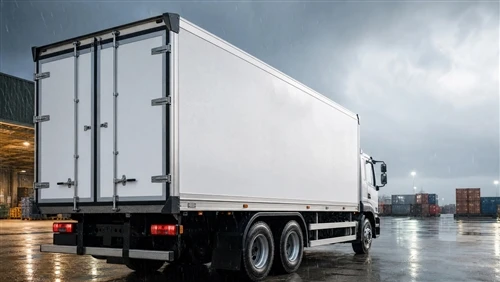
In cold chain transportation, not all lightweight panels deliver the performance required to maintain strict temperature control. What actually works is a well-engineered composite structure that combines strong insulation with reliable mechanical strength. High-quality lightweight panels typically integrate insulating cores such as foam with durable outer layers, helping reduce heat transfer while maintaining structural stability during long-distance transport.
At the same time, they must resist moisture, prevent thermal leakage, and withstand constant vibration and temperature fluctuations. When these factors are properly balanced, lightweight panels can significantly improve energy efficiency, protect sensitive cargo, and reduce long-term operating costs in cold chain truck applications.
Company Overview
- Holycore is a trusted supplier of lightweight composite panel solutions, dedicated to serving the transportation and cold chain logistics industries. The company focuses on developing advanced panel systems that combine strength, insulation, and durability to meet the demanding requirements of refrigerated trucks and temperature-controlled transport.
- With strong capabilities in material engineering and customized production, It offers a wide range of products including honeycomb panels, composite sandwich panels, and insulation-integrated structures. These solutions are designed to improve thermal efficiency, reduce vehicle weight, and enhance long-term performance.
- By prioritizing quality, innovation, and customer-oriented design, It helps global clients build more efficient, reliable, and cost-effective cold chain transportation systems.


Introduction: Why Panel Selection Matters in Cold Chain Transport
Cold chain trucks operate under far more demanding conditions than standard transport vehicles. They must maintain strict internal temperatures while facing constant external heat, humidity, vibration, and frequent door openings.
In this environment, the choice of panel material is not just about structure-it directly affects temperature stability, energy consumption, and cargo safety. Modern lightweight panels have become the industry standard because they integrate insulation, strength, and durability into a single system.
The Real Requirements for Cold Chain Panels
Not all panels perform equally in refrigerated applications. To truly "work" in cold chain trucks, panels must meet several critical requirements:
- Consistent thermal insulation to prevent heat transfer
- Structural strength to withstand long-distance transport stress
- Moisture resistance to avoid performance degradation
- Hygienic surfaces for food and pharmaceutical transport
Traditional materials often struggle to meet all these needs simultaneously, which is why advanced composite panels are increasingly preferred.
Why Lightweight Panels Are Replacing Traditional Materials
Conventional truck bodies made from metal or plywood tend to be heavy and less efficient in thermal management.
Lightweight composite panels offer a more advanced alternative by:
- Reducing overall vehicle weight
- Improving insulation efficiency
- Increasing payload capacity
- Enhancing durability in harsh environments
This shift is not just a trend-it's a response to the growing demand for efficiency and cost control in cold chain logistics.
Honeycomb-Based Panels: A High-Performance Solution
Among modern materials, honeycomb-based panels stand out for their unique balance of strength and weight. Their cellular core structure allows them to deliver high stiffness while keeping density low.
In cold chain applications, these panels offer:
- Excellent structural stability for truck bodies
- Reduced vehicle mass for better fuel or energy efficiency
- Integrated insulation when combined with foam cores
- Strong resistance to vibration and impact
When paired with insulation materials honeycomb panels create a dual-performance system that supports both structure and temperature control.
Insulation Integration: What Actually Makes the Difference
The effectiveness of a cold chain truck largely depends on how well insulation is integrated into the panel system.
High-performance solutions often combine:
- Honeycomb core for structural reinforcement
- Foam insulation for thermal resistance
- Composite skins for durability and hygiene
This multi-layer structure significantly reduces heat transfer, helping maintain stable internal temperatures while lowering refrigeration unit workload.

Energy Efficiency and Cost Reduction
Efficient insulation directly impacts operating costs. Poor thermal performance forces refrigeration systems to work harder, increasing energy consumption.
Well-designed lightweight panels help:
- Reduce compressor running time
- Lower fuel or electricity usage
- Minimize temperature fluctuations
- Extend refrigeration system lifespan
Over time, these benefits translate into substantial cost savings for fleet operators.
Moisture Resistance and Long-Term Reliability
Cold chain environments often involve high humidity and frequent temperature changes, which can lead to condensation and material degradation.
Advanced composite panels address this through:
- Closed-cell core materials that resist water absorption
- Sealed structures to prevent moisture ingress
- Stable performance under repeated temperature cycles
This ensures consistent insulation performance and reduces maintenance risks.
Hygiene and Regulatory Compliance
In industries such as food and pharmaceuticals, cleanliness is essential. Panel surfaces must be easy to clean and resistant to contamination.
Modern lightweight panels typically feature:
- Smooth, non-porous surfaces
- Resistance to chemicals and cleaning agents
- Compatibility with food-grade standards
This makes them suitable for strict regulatory environments.

Practical Applications in Cold Chain Trucks
Lightweight panel systems are widely used in:
- Refrigerated truck bodies
- Insulated trailer walls and roofs
- Temperature-controlled containers
- Cold storage transport units
Their ability to combine multiple functions into a single structure simplifies vehicle design and improves overall efficiency.
Conclusion
Choosing the right lightweight panel for cold chain trucks is about more than just reducing weight-it's about achieving the right balance between insulation, durability, and long-term cost efficiency.
Solutions that integrate structural strength with advanced thermal performance, such as honeycomb-based composite panels, are proving to be the most effective in real-world applications. As cold chain logistics continues to grow, these materials will play a critical role in ensuring reliable, energy-efficient, and sustainable transport systems.
Looking for High-Performance Honeycomb Core Materials?
Partner with us to get lightweight, durable, and customizable honeycomb solutions tailored to your industry needs. Improve efficiency, reduce weight, and enhance structural performance today.
Get a Free Quote